|
|
|
|
Welcome to April'26 Edition of GIGinsights!
|
April is packed with milestones and momentum across our network! 🌍 From our first-ever GIG Fund drawing 54 applications from around the world, to the make-a-thek project training a new cohort of practitioners to bring circular making into libraries everywhere, we are reminded just how much we can build through accountable, community-driven innovation.
We're also gearing up for GIG Week 2026, just weeks away, and have put together a recap on GIG Week 2025 to get us in the spirit. Ready to discover the highlights driving our network this April? Let's dive in! 🌍✨
|
|
|
|
|
|
|
|
General Updates From the GIG Community and Team Members 📰
|
|
|
|
|
|
|
Event recap: GIG Week 2025 at ZLB
|
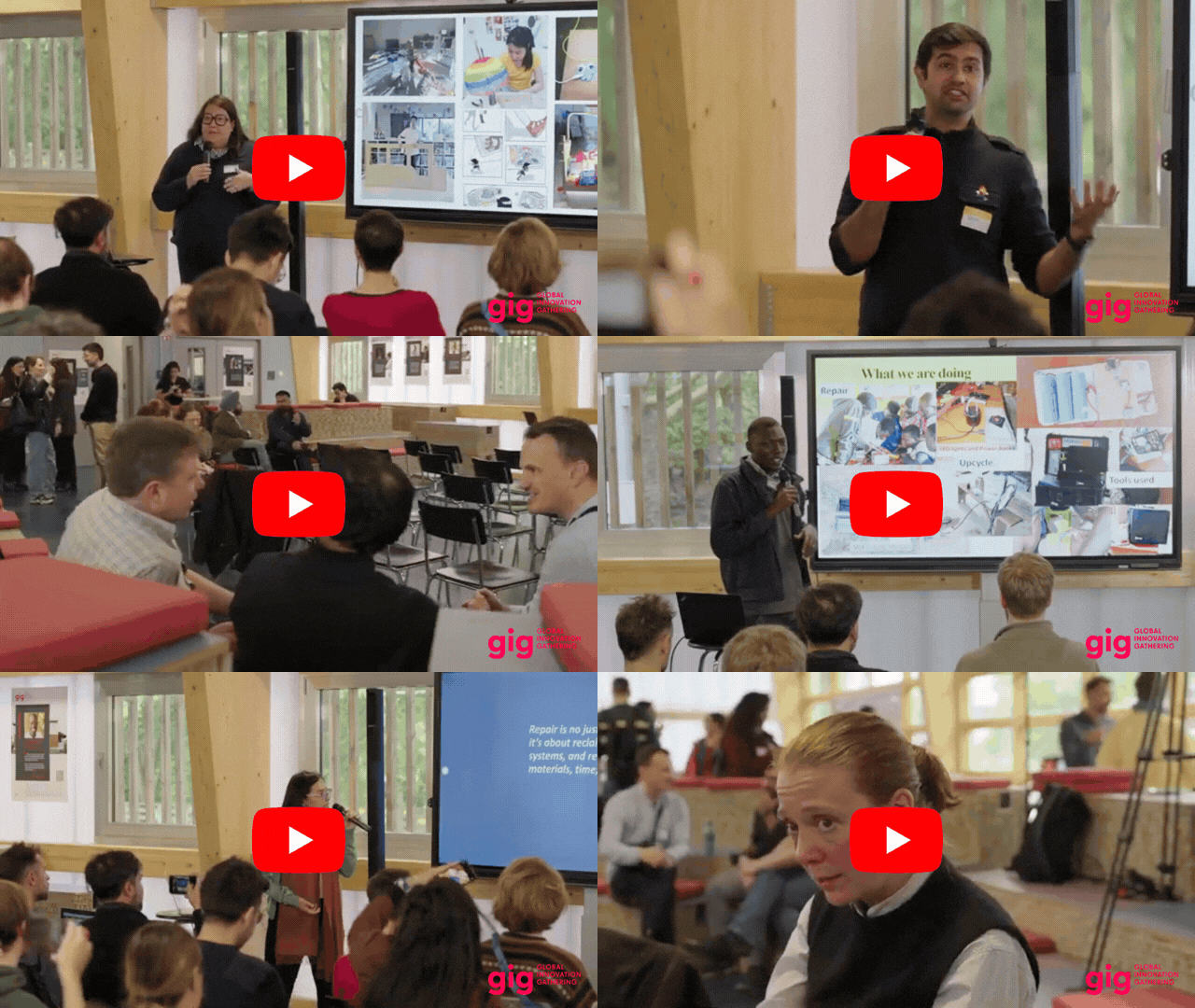
On 25 May 2025, GIG members from around the world gathered at the Zentral- und Landesbibliothek (ZLB) Berlin for a day of open, circular, and regenerative innovation. Across four sessions, members shared work on climate data protection, regenerative learning, repair cultures, and open-source hardware. We made a recap video to capture the event's highlights!
|
Hosted annually alongside the re:publica conference, GIG Week brings together a global network of grassroots innovators working on open technologies, digital rights, and community-driven innovation. We can't wait to gather once again at GIG Week 2026!
|
|
GIG Fund Applications
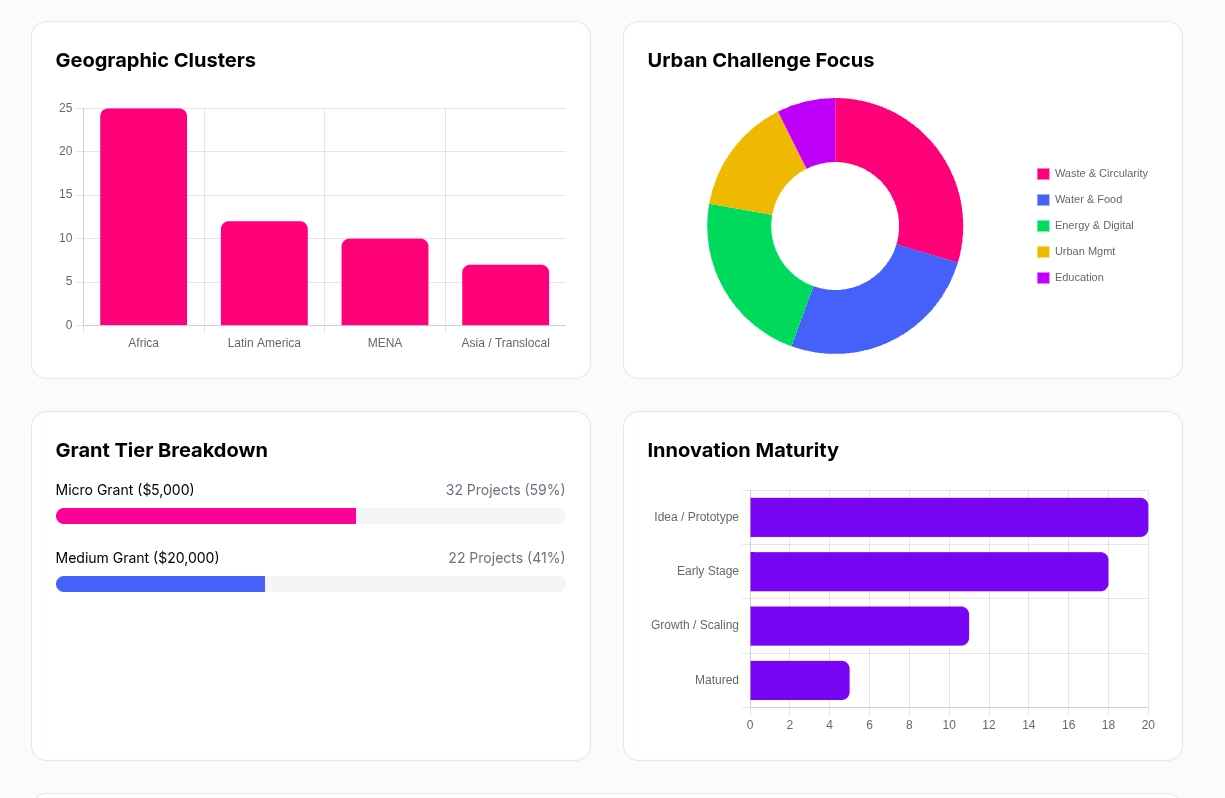
We are thrilled to share that the first ever GIG Fund closed with 54 submissions from nonprofits, individuals, academics, and cooperatives, spanning diverse regions and bold ideas across circularity, clean water, energy, education, and urban management. We've captured the highlights in a short infographic:
|
|
|
|
|
Next up is a collaborative review open to all applicants, followed by final decisions from the Fund’s selection committee. Grantees will be announced on 5 May. Stay tuned!
|
|
Community call recap: Libraries as circular fashion hubs
|
Together with Fashion Revolution Germany and Circular Fashion Foundation Poland, GIG recently hosted a make-a-thek community call exploring how libraries can become hubs for circular fashion. Speakers Ariane Piper and Agata A. Zgliczynska shared how Fashion Revolution has transformed libraries into makerspaces for clothes exchanges, workshops, and community events, and how gamification is encouraging young people in Poland to become artisans. Both organisations spoke candidly about funding gaps and resource inequalities, while showing what's possible when communities collaborate across borders for a fairer, more sustainable fashion system!
|
Project update: make-a-thek Training of Trainers
Following an open call, the make-a-thek Trainers Programme has brought together a diverse cohort of practitioners. Over six weeks, participants will build the skills to activate libraries as spaces for circular making, craft, and community exchange through online sessions, peer learning, and hands-on assignments. Trainers will gain practical tools, connect to an international network, and be equipped to roll out local activities - strengthening a distributed ecosystem of circular, community-driven makerspaces.
Learn more.
|
Article: The Infrastructures of Power with AI
Who bears the cost of AI, and who reaps the rewards? In a new piece for INKOTA-netzwerk, GIG founder Geraldine de Bastion examines AI’s hidden workforce: while profits concentrate in a handful of US and Chinese tech companies, the hidden costs, including traumatic data labelling work and environmental damage, fall disproportionately on the Global South.
|
|
|
|
|
GIG Members' Project Highlights ✨
|
|
DATA-RIDE, France
|
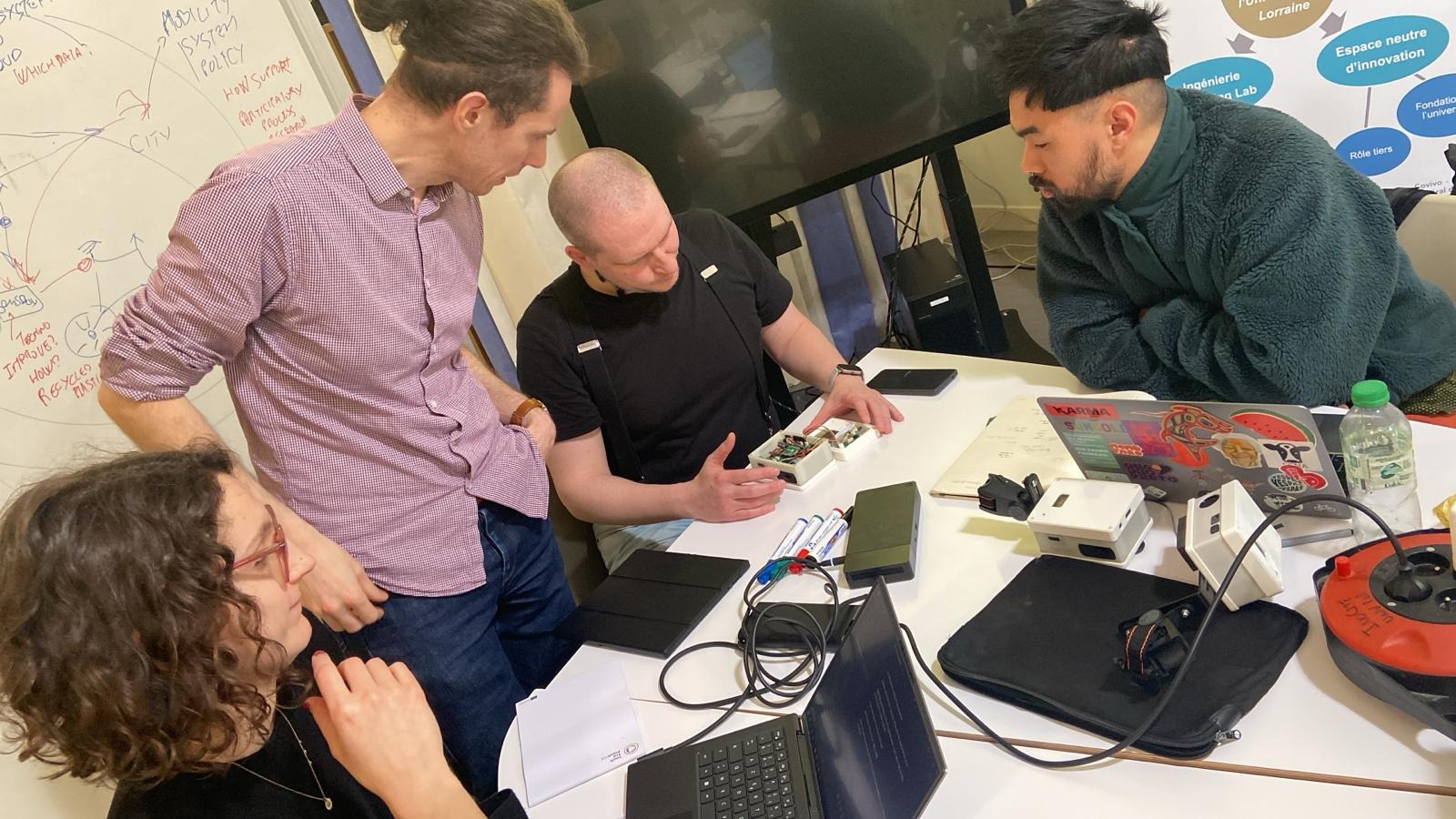
Laura and Kim recently brought their citizen science initiative DATA-RIDE to Nancy, France, collaborating with researchers, cyclists, and civic organisations to test participatory sensing on urban cycling conditions. Using open-source sensors mounted on bicycles, the project gathers data on overtaking safety, air quality, and infrastructure continuity, combining lived experience with open technology to support community-driven action on urban mobility.
|
|
Cursive, France
|
Bilal is developing Cursive, an AI tool designed to deepen thinking rather than replace it. Where mainstream AI platforms risk fostering dependency, Cursive aims to connect users to knowledge, people, and their own ideas. Built for people who love the process of thinking and making, it's currently seeking testers and co-thinkers. Explore how the tool works and test it out!
|
|
|
iZonehub Makerspace, Zimbabwe
|
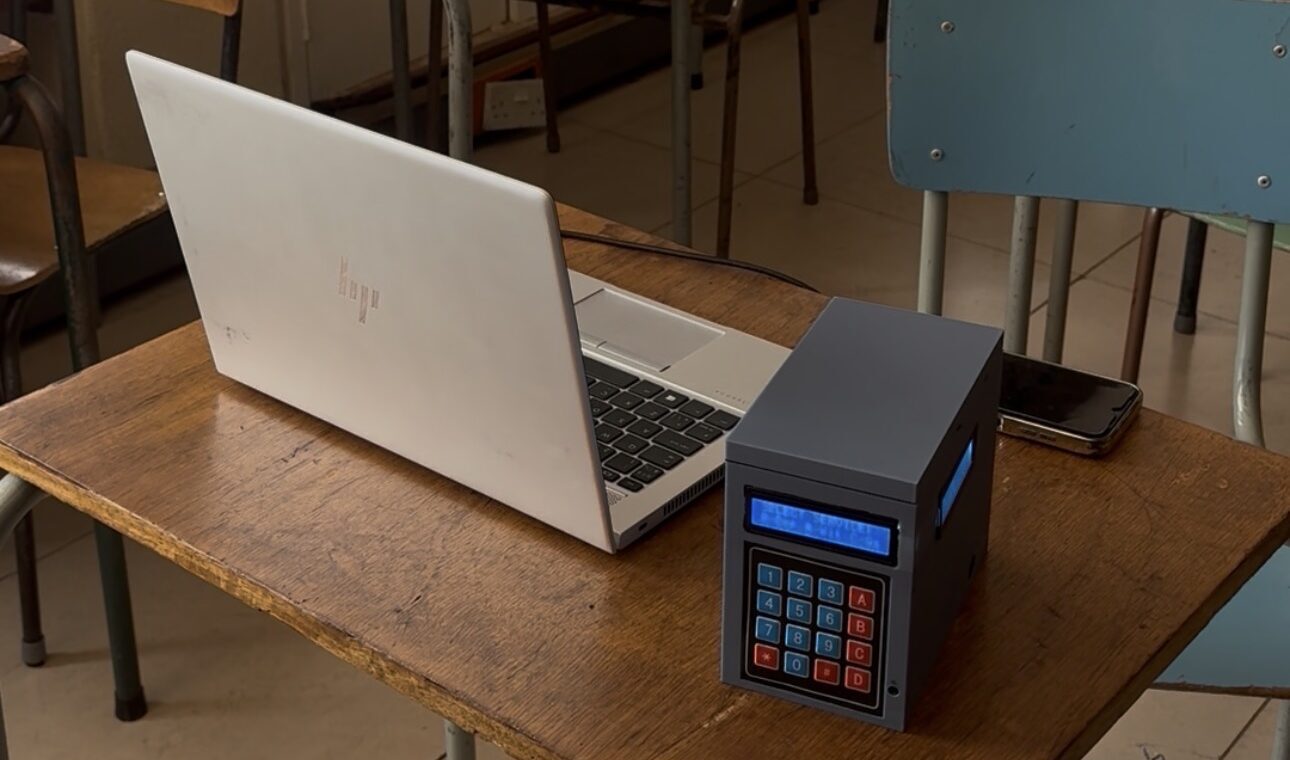
Ronald from iZonehub Makerspace in Zimbabwe shares the outcomes of their Prototyping Basics programme, delivered in partnership with the University of Zimbabwe. Level 2 Electrical and Electronics Engineering students gained hands-on skills in 3D design, PCB fabrication, and embedded systems. moving from concept to functional prototype. The initiative reflects iZonehub's broader mission to build sustainable innovation capacity in the next generation of African engineers.
|
|
Another Way, India
|
Audrey shares about her new project, Another Way — a community-owned project space in southern India reimagining construction as a collective act. The space functions as a third space for making, learning, and building shared infrastructure, while producing modular timber structures to sustain livelihoods within the community. Reach out at [email protected] to learn more about the project.
|
|
|
|
|
|
|
|
Events:
Convened by Access Now, the 14th edition marks RightsCon's return to the African continent, bringing together civil society, policymakers, technologists, journalists, and human rights defenders to address pressing issues at the intersection of human rights and technolog
|
A global open-source AI technology summit at Station F, co-hosted by GOSIM, CSDN, and 1ms.ai. Features six core tracks including Agentic AI, Open Source Robotics, Open Source Models, and Edge AI alongside workshops, hackathons, and a project showcase.
|
A conference focused on sustainability and leadership in open source companies and projects. Relevant for organisations working on open-source governance, community building, and long-term project viability.
|
Europe's largest festival for the digital society, gathering hackers, activists, entrepreneurs, artists, and technologists for 1,000+ speakers across 20+ stages. The 2026 theme, "Never Gonna Give You Up," addresses platform politics, algorithmic influence, and digital activism.
|
Hosted by OSHWA, this is the world's longest-running conference for the open hardware community. Talks and workshops span electronics, digital fabrication, and open source hardware practices, with speakers from industry, academia, arts, and the maker community.
|
Opportunities:
|
This annual programme recognises initiatives that combine design, technology, and civic engagement. The 2026 theme, Collective Action for Regenerative Urban Futures, supports projects advancing local production, circular economies, and urban resilience. Winners receive funding, mentoring, lab access, and a ticket to present at Fab'26 in Boston.
|
|
A 9-month cohort programme by CIVICUS Global Alliance supporting civil society organisations to design, test, and scale digital solutions that strengthen civic space and inclusive democracy. Selected organisations receive grants of up to $20,000 plus technical coaching and mentorship.
|
|
A one-year programme hunting for the next generation of builders, researchers, and creatives who will advance civilisation. Open to individuals worldwide regardless of background, education, or nationality, fellows receive $100,000 in equity-free funding for one year, while smaller grants of $10,000 are also available.
|
|
The Open Technology Fund's flagship programme supports innovative internet freedom projects, including technology development, applied research, digital security, and community convenings. It funds tools that counter censorship and surveillance and protect human rights online.
|
|
A trust-based funding programme supporting grassroots and community-rooted organisations working to address multidimensional poverty and drive sustainable community development. It offers unrestricted, multi-year support, enabling recipients to design and scale community-driven solutions without the constraints of rigid project-based funding.
|
|
A joint initiative by National Geographic Society and The Climate Pledge, supporting a global community of storytellers focused on climate resilience. The programme seeks story proposals that highlight innovation, resilience, and transformation across themes like energy transition, nature-based solutions, and climate adaptation.
|
|
|
|
|
|
|
Support GIG 🎯
|
We invite you to join us in driving innovation for social impact worldwide as a supporting member.
|
Why Support GIG? 🤝
- Drive long-term growth and sustainability for a global network of innovators.
- Promote inclusive, sustainable innovation through knowledge exchange and learning.
- Advance open hardware research and distributed manufacturing.
- Strengthen grassroots climate resilience efforts worldwide.
Ways to Support 🌟
Here are the suggested annual contributions:
Small Organisations: €300
|
|
For organisations with fewer than 50 employees or under €1 million budget
|
Large Organisations: €3,000+
|
For organisations with 50+ employees or €1 million+ budget
|
Contribute now or contact us to learn how your support can help social innovators create lasting change in communities worldwide.
|
|
|
|
|
|
👀 Stay tuned for more exciting updates next month! 💌
|
|
|
|
|
|
|