
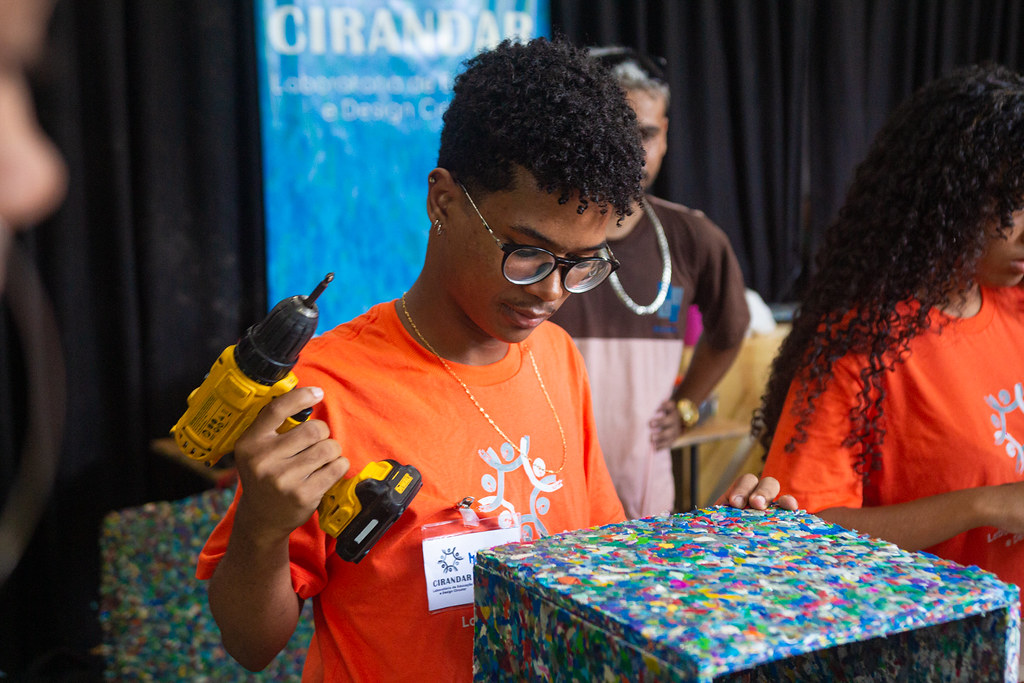

CIRANDAR is a circular education and design lab run by the Casa Criatura collective in a historic monastery in Olinda, Brazil, that turns used plastic into urban furniture using open-source machines.
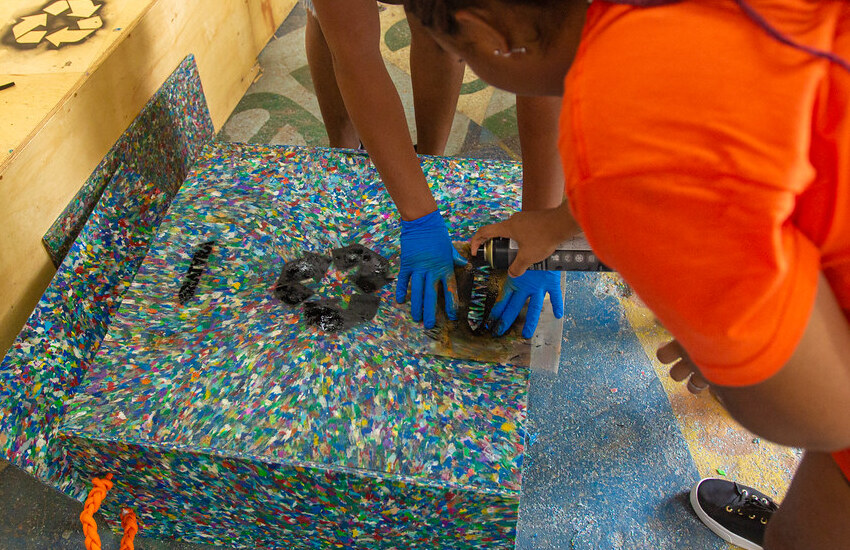
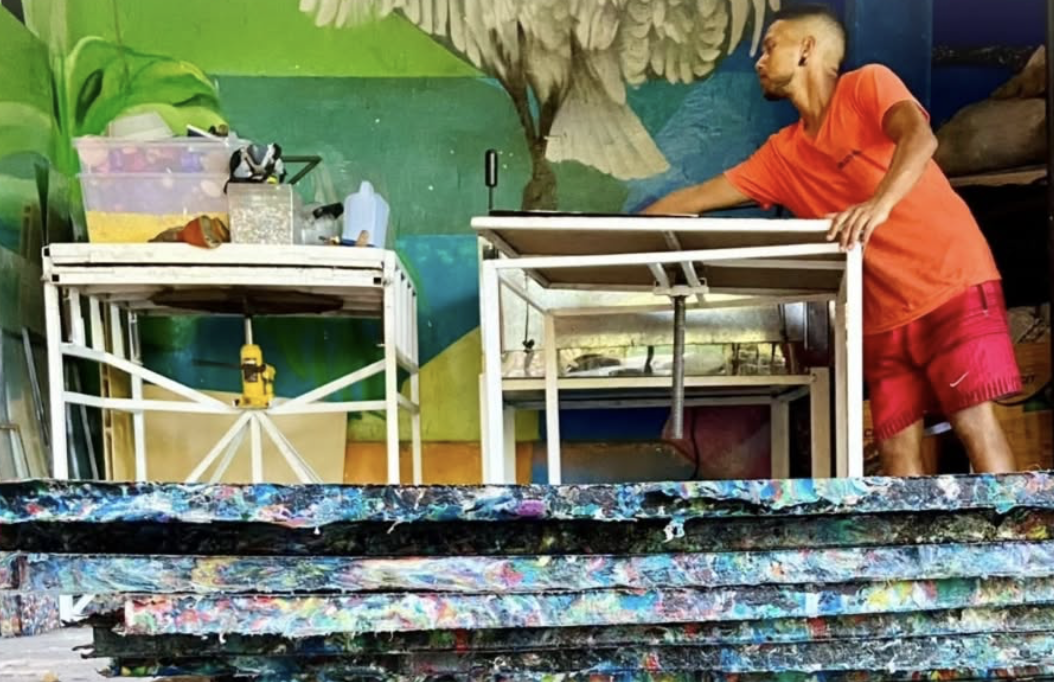
It is designed for children, youth and university students who learn by doing, and for low-income communities and public spaces that receive the furniture. Waste pickers from the Coocencipe cooperative are paid for the plastic that feeds the lab. Currently, a shredder, presses and an extruder melt up to 60 kg of plastic a day into sheets for benches, ping-pong tables and mini football goals. The project's educational programmes include talks, workshops, Open Lab visits and PLASTIcidade, a university course at UNICAP.
So far, the lab has recycled more than 5 tonnes of plastic and welcomed over 2,000 people into its educational activities. The project will continue to formalise industrial safety procedures, add an industrial shredder and cold press to increase output, and build online and offline sales channels. As a model for income-generating, community-rooted recycling, CIRANDAR shares every step openly, so the lab can sustain itself beyond grants and others can replicate it.
At a glance
Grant tier
Medium Grant · USD 20,000
Project lead
Location
Olinda, Pernambuco, Brazil
Partner
Topic
Circular economy
Scaling plastic recycling, safely and openly.
The lab is already operating, and safety systems, heavier machinery and sales channels are coming next. Its current challenges include installing heavier machinery in a heritage building without losing the lab's safety and openness, keeping a steady supply of sorted plastic from the cooperative, and entering a new market, since public procurement is slow and the catalogue must reach schools and private clients directly.
The project aims to have the lab processing 3 tonnes of plastic a month a month under documented safety protocols, a sales structure already bringing in revenue, and every step shared openly so others can replicate it.
Keen to collaborate?
About the GIG Fund
The GIG Fund supports grassroots innovators building resilient, inclusive, and adaptive urban areas, with funding, mentorship, and a community of practice. It was created in partnership with the Judith Neilson Foundation, and the 2026 grantees were announced on 11 June 2026.
