 Written by
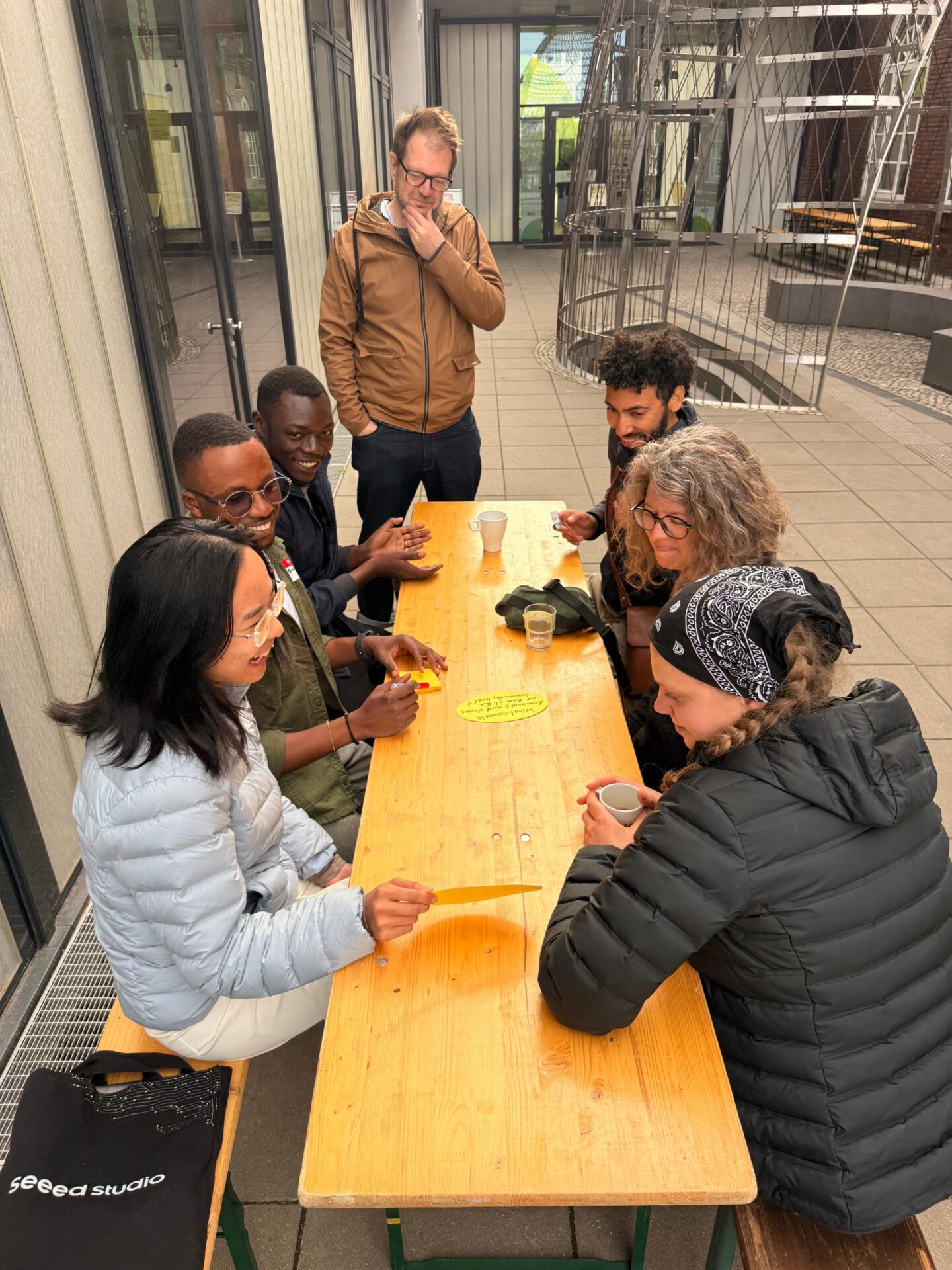
 Somewhere between freshly roasted coffee, invigorating workshops, and the formation of a midday Capoeira circle (😲), something clicked into place. An annual highlight for the GIG community, this year’s GIG Week was a reminder of why the network exists: not to simply talk about changing the world, but to be surrounded and inspired by people already doing it.
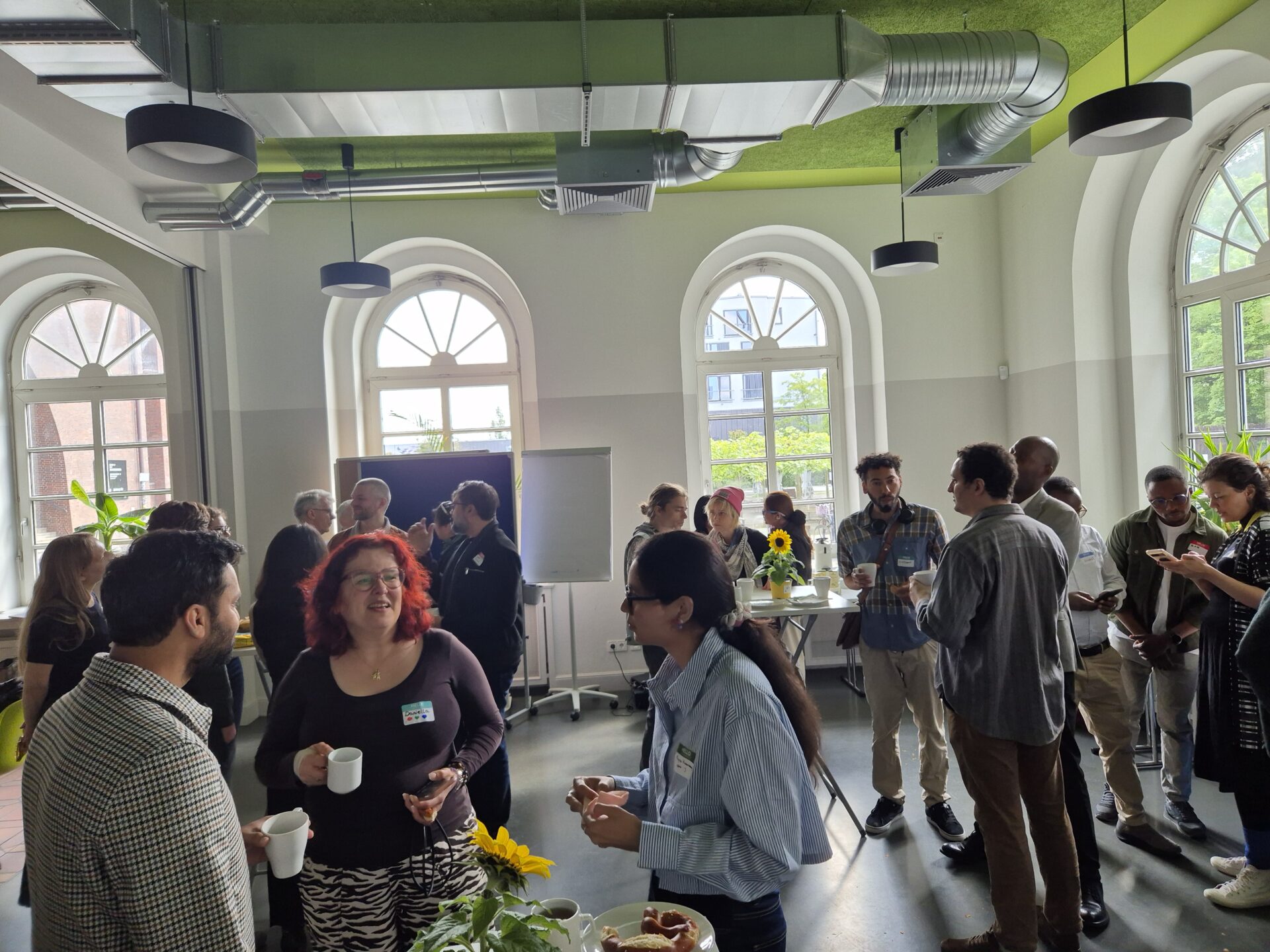
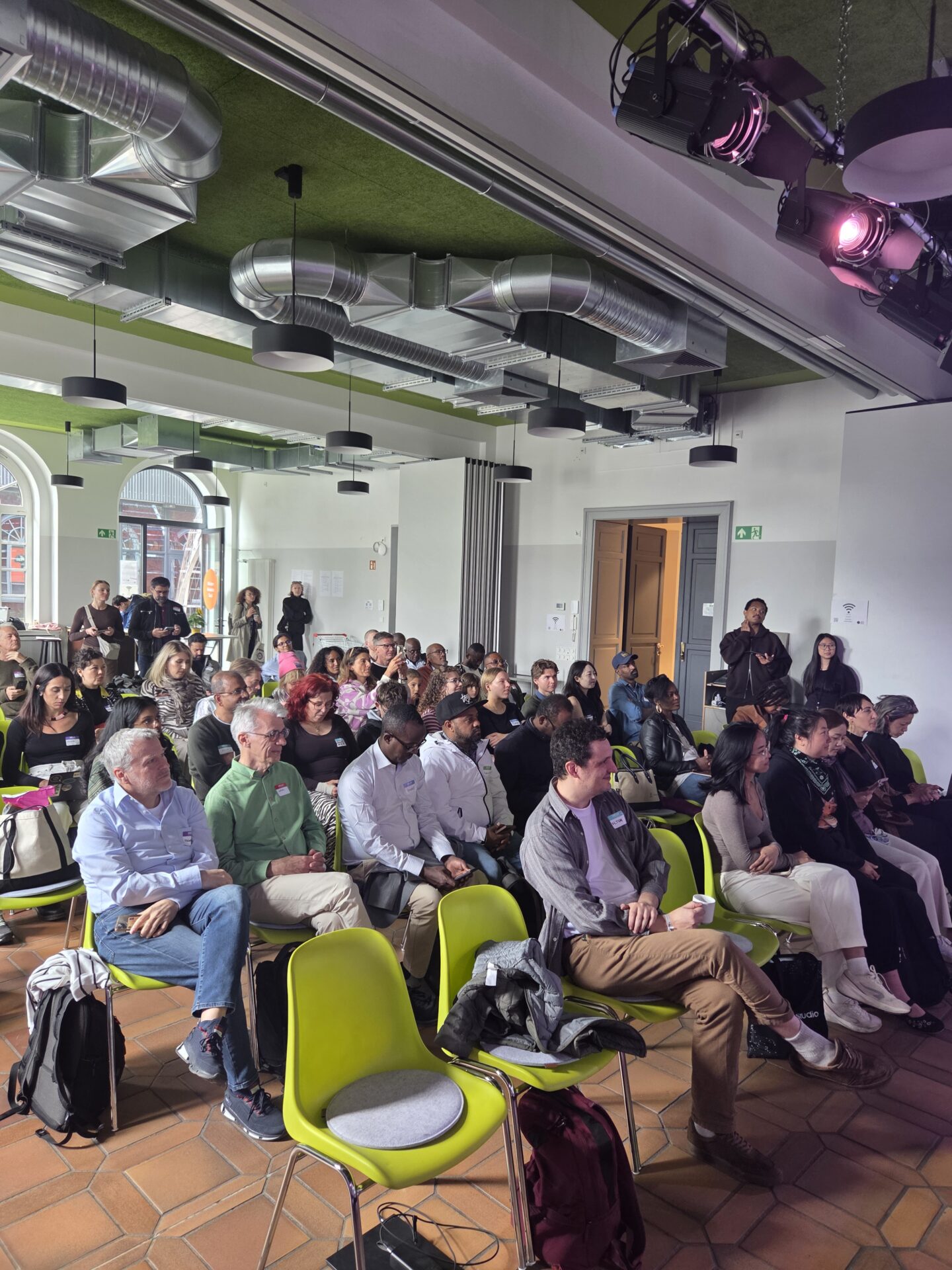
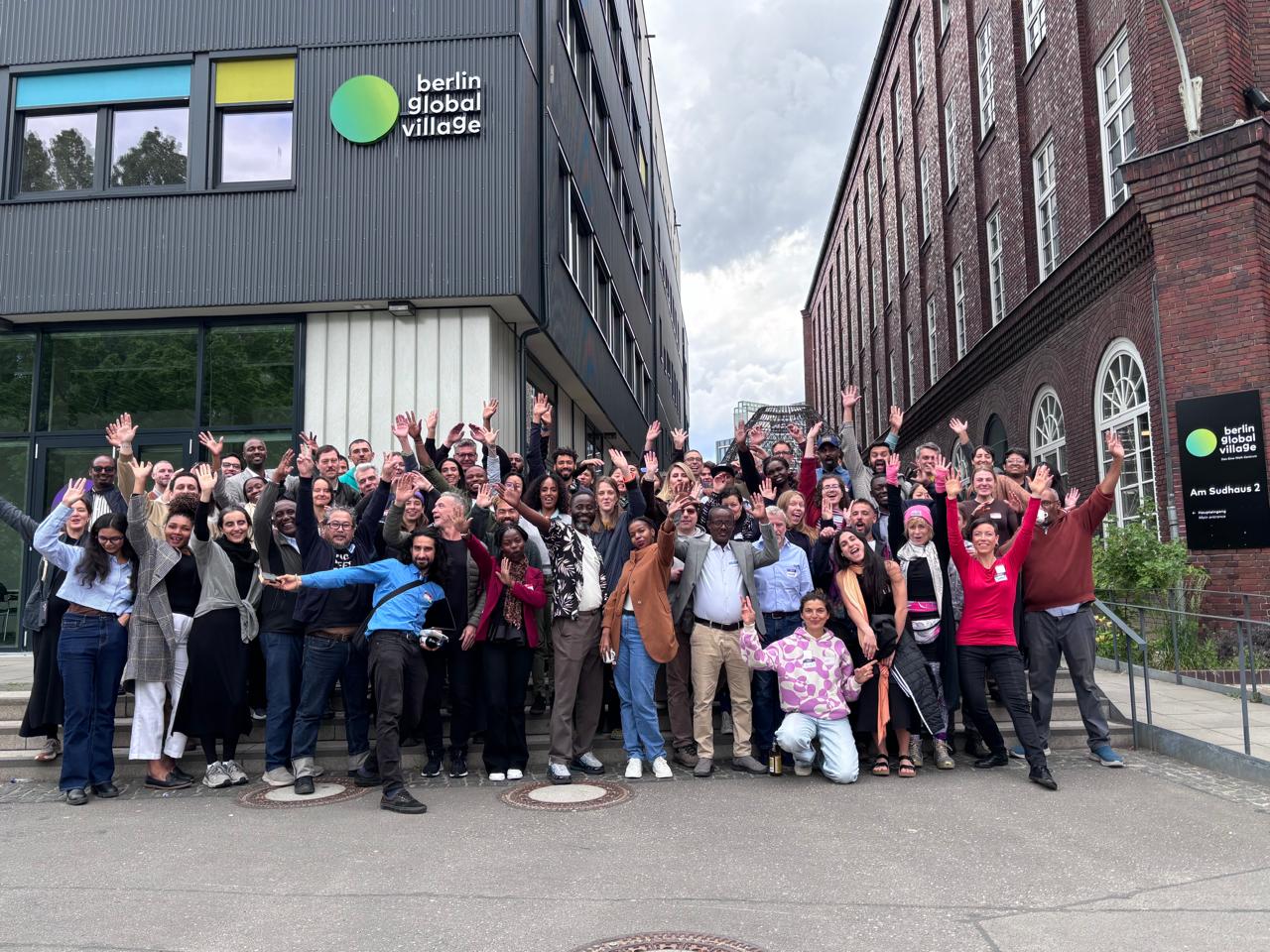
Over two days at Berlin Global Village in Neukölln, GIG members, partners, and friends gathered under the theme of Crisis Resilient Community Innovation. The spirit behind it is simple: when things get hard, communities don’t wait — they build.
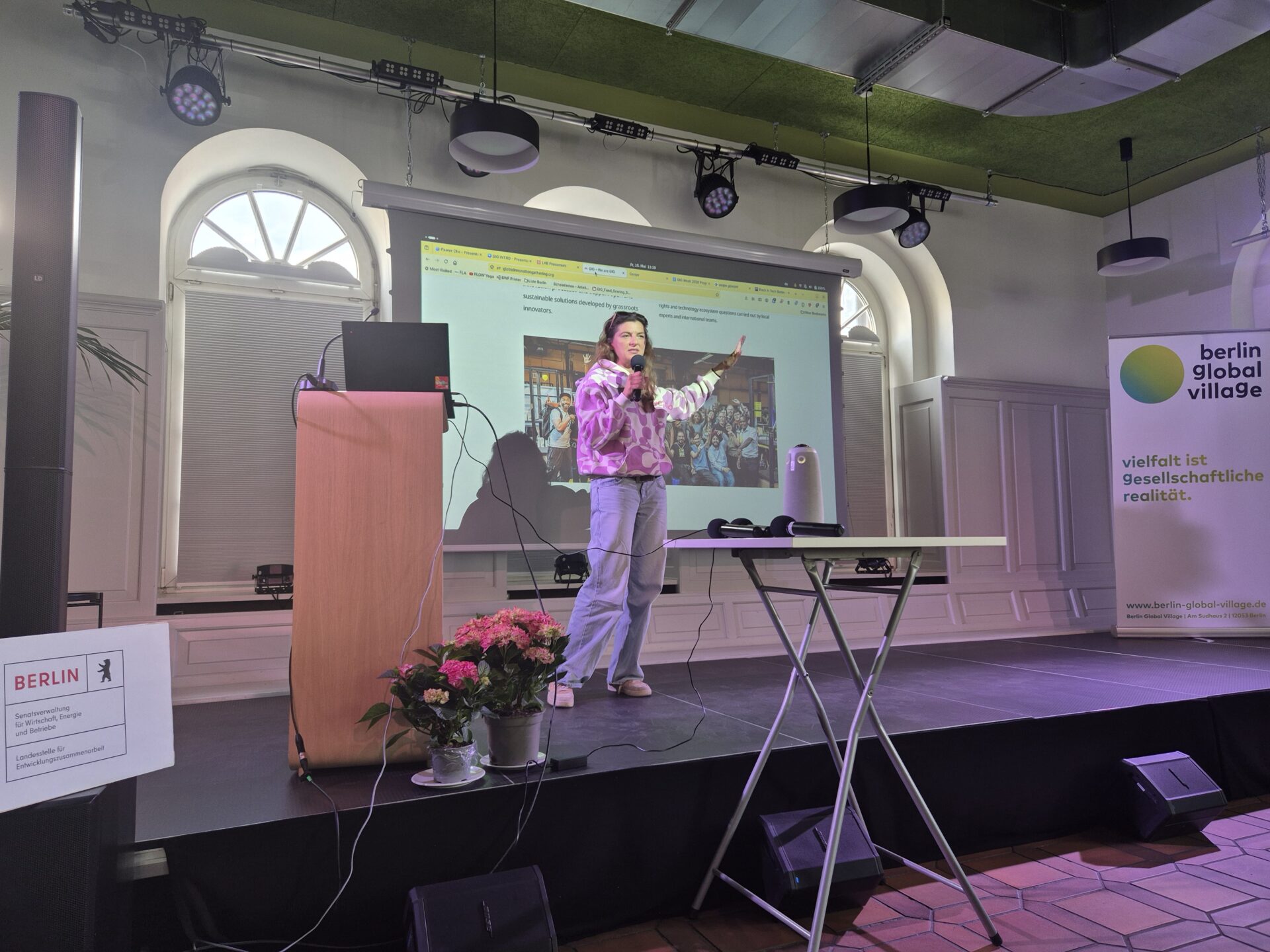
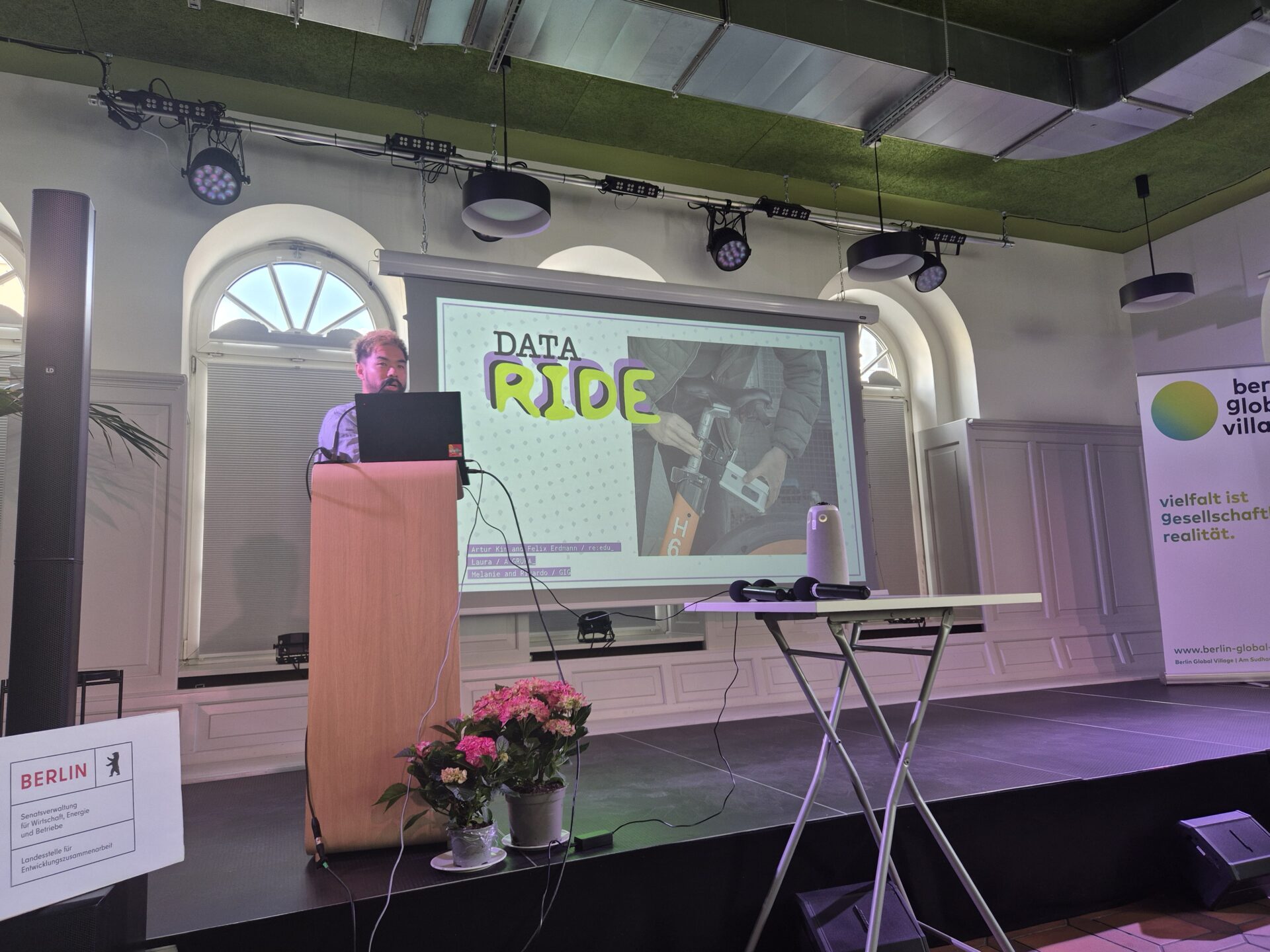
The weekend opened with a roundtable where members introduced themselves and their projects in four-minute bursts. It turned out to be the best part of the morning. From technology and human connection, to citizen cycling data in France and participatory policymaking in Brazil, a vivid picture of community-driven work emerged. Over the following days, GIG members led sessions spanning agritech, ecological data, disaster preparedness, startup building in under-resourced contexts, and makerspace resilience — each a different entry point into the same core question: what does it look like to build with communities, rather than for them?
Day 1: Rooted in place, reaching for scale
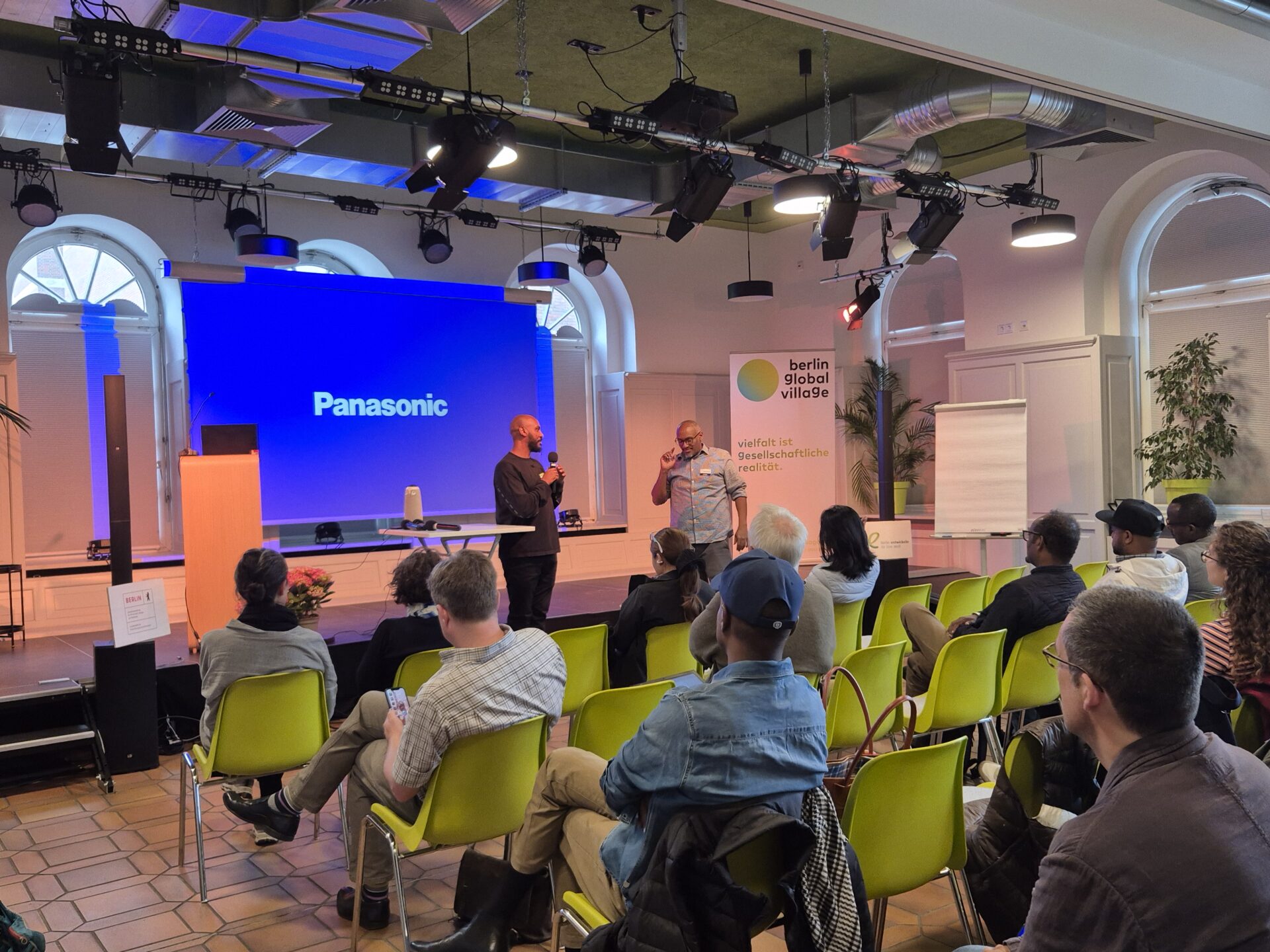
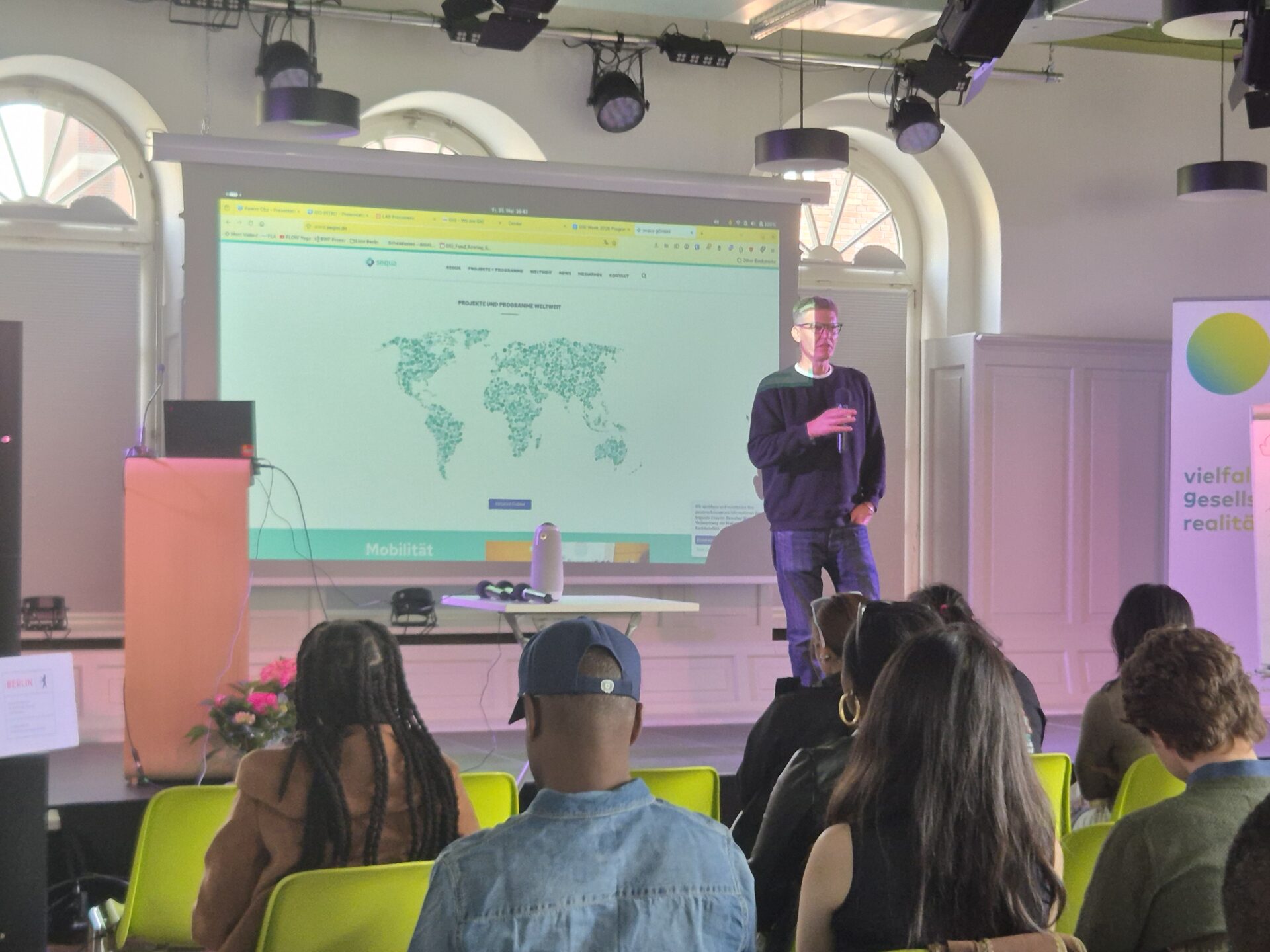
The starting AgriTech session with Markos Lemma and Oliver Petzoldt, co-founders of iceaddis and team leader for the SEQUA-supported BIC Ethiopia project, brought the theme to life. They described how SEQUA runs 15 incubators across the region, supporting a pipeline from makerspace talent development through to entrepreneurship education policy. The BIC Ethiopia project focuses on the small and medium enterprises that national policy tends to skip over, operating from a clear conviction: there is already enough local talent and market demand in Ethiopia. The challenge isn’t capacity, they argued. It’s the constellation of support around it.
The innovations coming out of Ethiopia’s SME ecosystem make that case clearly: text-to-speech tools transferring market information to farmers, smart sensors monitoring beehives without disturbing the bees, digital irrigation adapted for small plots, and a local fablab reproducing European manufacturing machines in frugal formats for local markets. They also shared how innovators are exploring ways to mitigate tensions between agricultural and community water needs — avocado production, increasingly a water stress flashpoint, is one example being tackled through soil sensors and small-scale irrigation systems for individual farmers.
What kept coming back to in discussion was supply chain as the real bottleneck — demand and marketing are not the problem. Most startups can only access private or foreign funding, cross-border payments remain a significant friction point, and small farmers still can’t reliably get products to city markets. But underneath the practical gaps was a bigger cultural question they posed to the room: how do you keep talented young people from leaving when emigration has become the default imaginary? GIGgers in the room pointed to futures thinking methodologies, design camps, and the visible celebration of local entrepreneurial champions as ways to shift that story from the inside out.
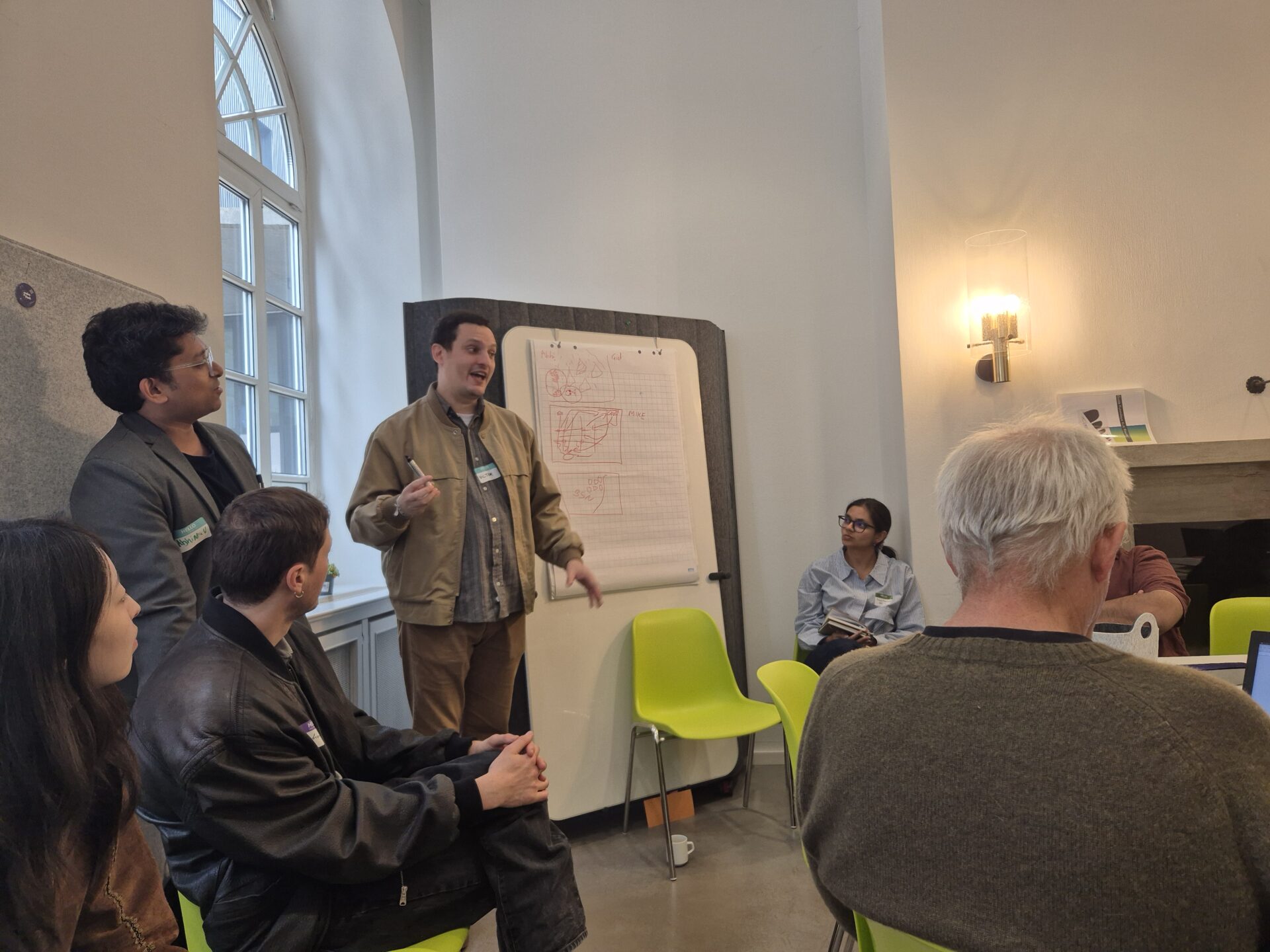
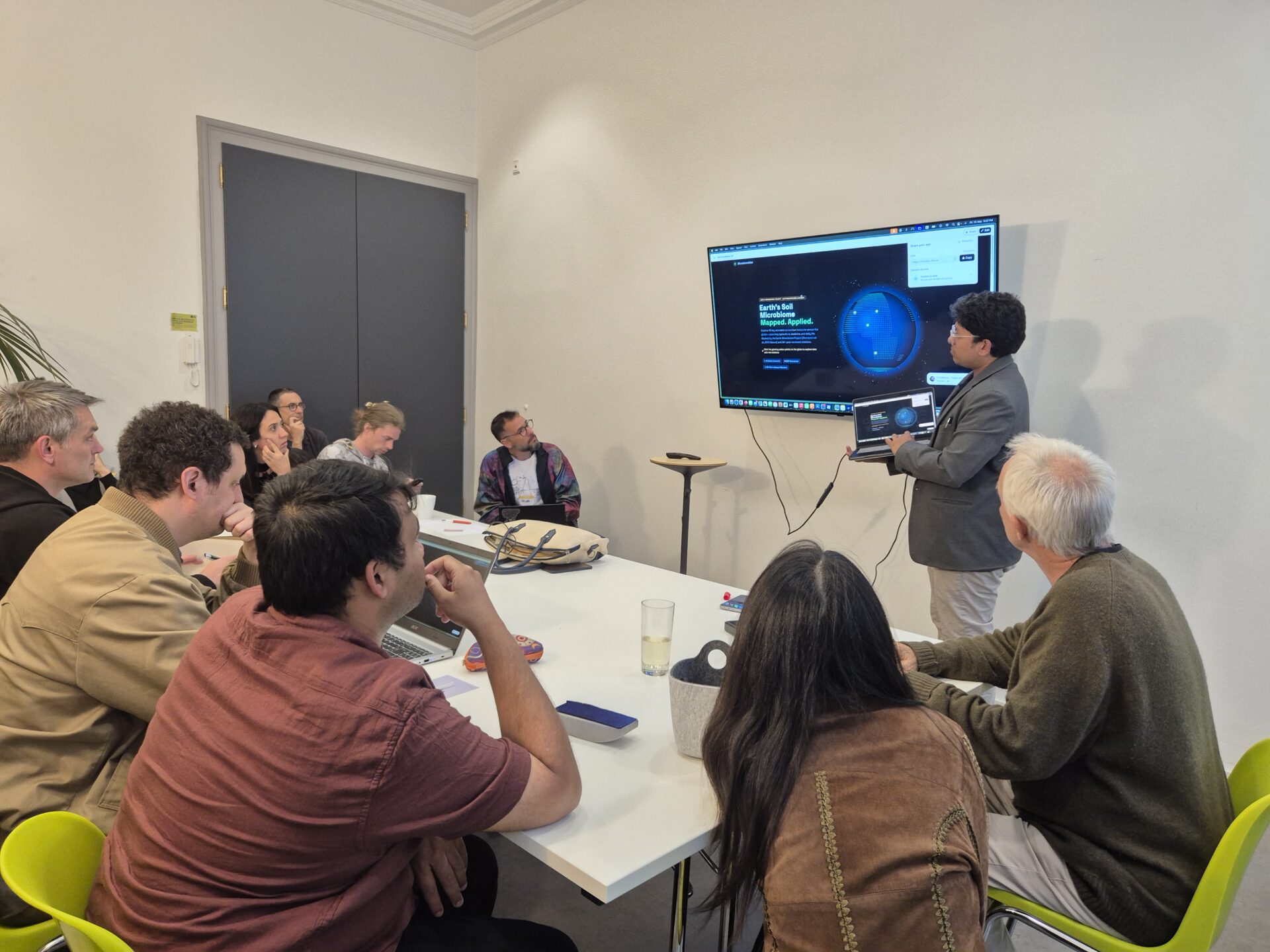
As co-founder of FreeDesign, Abhinav Dey’s session on inclusive data economies for forest and wetland livelihoods felt less like a panel and more like a group of people sketching a map together in real time. He opened by asking participants to identify the ecological problems they were most concerned about in their own communities — not environmental abstractions, but living ecosystems under pressure from urbanisation. Several GIG members brought concerns from their communities: mangrove communities fighting chemical pollution in Brazil, children walking to school through dangerous air in cities, rice farmers dealing with saline water intrusion, landfills sitting next to rivers with no oversight.
From there, he walked us through his work through participatory GIS, which asks communities to map their own risks, build their own local databases, and train their own diagnostic models. What if agricultural waste, animal waste, and green cuttings were seen as inputs for microbial innovation rather than issues to manage? A platform he developed points toward something exciting: an open marketplace where farmers can develop, share, and apply microbial cultures as living solutions, drawing on indigenous knowledge systems like the Honey Bee Network for inspiration. When farmers can innovate, test, and distribute solutions themselves, Abhinav argued, the power dynamic shifts.
In her workshop on disaster preparedness in solidarity, Vicy Wenzelmann, innovation ecosystem manager at the New Production Institute, stressed the importance of decentralised infrastructure for crisis resilience. She pointed to Tolocar, the mobile makerspace initiative in Ukraine, as an example of how quickly the maker community’s role can shift. What began, she explained, as a project rooted in repair and local fabrication found itself navigating a landscape where makers were engaging in drone production. Beyond Ukraine, she widened the lens. Floods, earthquakes, and displacement are crisis contexts that demand maker responses that go well beyond medical devices or military applications. And yet, as she put it plainly, we are more under-prepared than we like to think. How can maker communities prepare for this and act?
Drawing on her work with CADUS and experiences from refugee communities in Chad, Vicy illustrated what that unpreparedness looks like on the ground: makers facing unreliable electricity, political challenges, and limited resources. What CADUS has learned, and what Vicy brought back to the room, is that adaptation to local realities isn’t optional — it’s the whole job. That means working with what’s actually available, not what an ideal kit would contain. It also means better documentation: if knowledge isn’t recorded in ways that others can actually use, it stays locked with the individual and disappears when they move on. The skills are there. The will is there. But the decentralised infrastructure for rapid community-led response, and the shared knowledge systems to support it, are still very much being built.
Day 2: From spark to structure
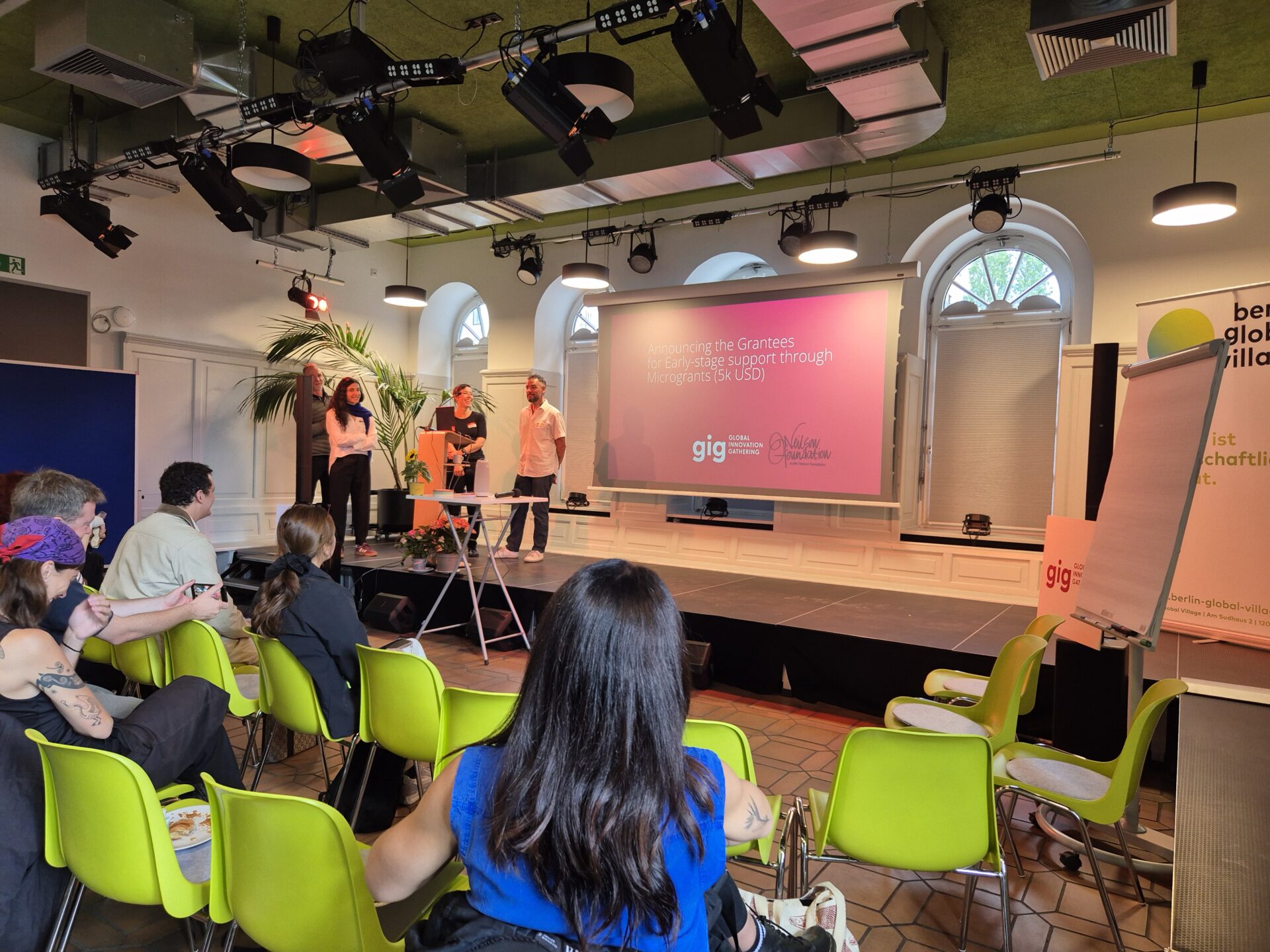
Day two of GIG Weekend brought the exciting announcement of the inaugural GIG Fund grantees. We were so happy to carry out hybridity so that other GIG members who could not make it to Berlin could join in remotely. The announcement was symbolic of our organisation putting real resources behind the exact values the GIG community had spent two days discussing – backing member-led grassroots innovation projects that grow from the inside out. The full list of grantees will be shared publicly soon.
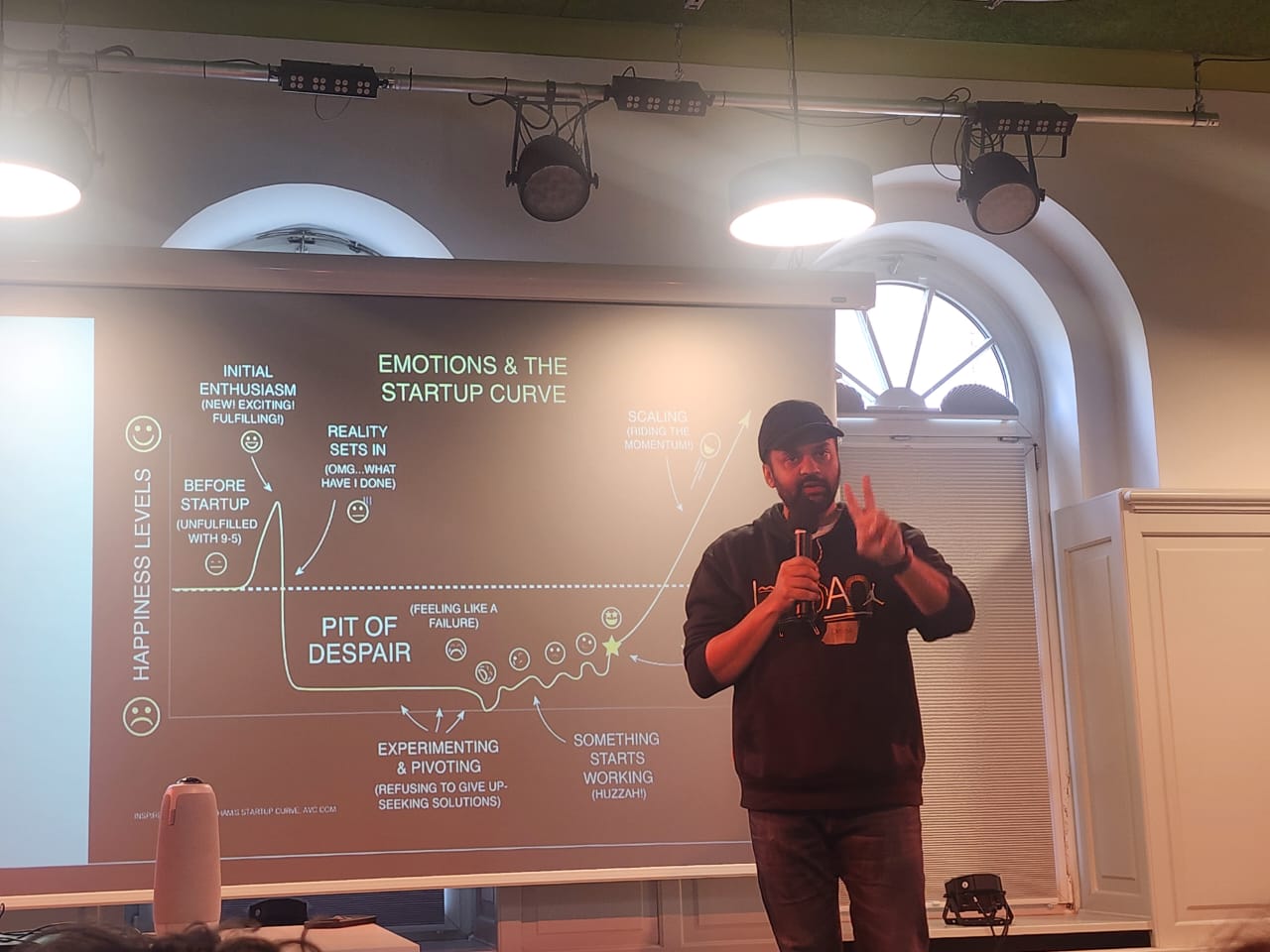
As the Founder of Ycenter, Dhairya Pujara’s session on startups was equal parts practical and irreverent. He opened with a provocation: startups aren’t necessarily about business, they’re about obsession with a problem. The trouble, he argued, is that most people skip straight to solutions — what he calls Compulsive Problem-Solving Disorder. His story of launching a malaria venture in Mozambique made the case viscerally. Western donations had flooded the region with mosquito nets, but without systems thinking: nets were being repurposed for chickens and fishing, sold on, and the source concern went untouched. Moreover, local manufacturers were pushed out in the process. Doing good and making money don’t have to be mutually exclusive, Dhairya argued, but getting there requires brutal honesty about what you’re actually solving and for whom.
Before you build anything, he told the room, work through five questions in order: What is the problem? How do you know it’s real? Does your stakeholder, not yet your customer, know it is an issue too? Do they want it solved? And do they want it solved enough to invest in the solution? That last step is where most ventures quietly fall apart. His advice: maintain single focus even when juggling multiple things, treat your first customers as co-designers, and make the mindset shift from maker to entrepreneur. This isn’t about building more elegantly, he said. It’s about asking who will actually pay for the solution.
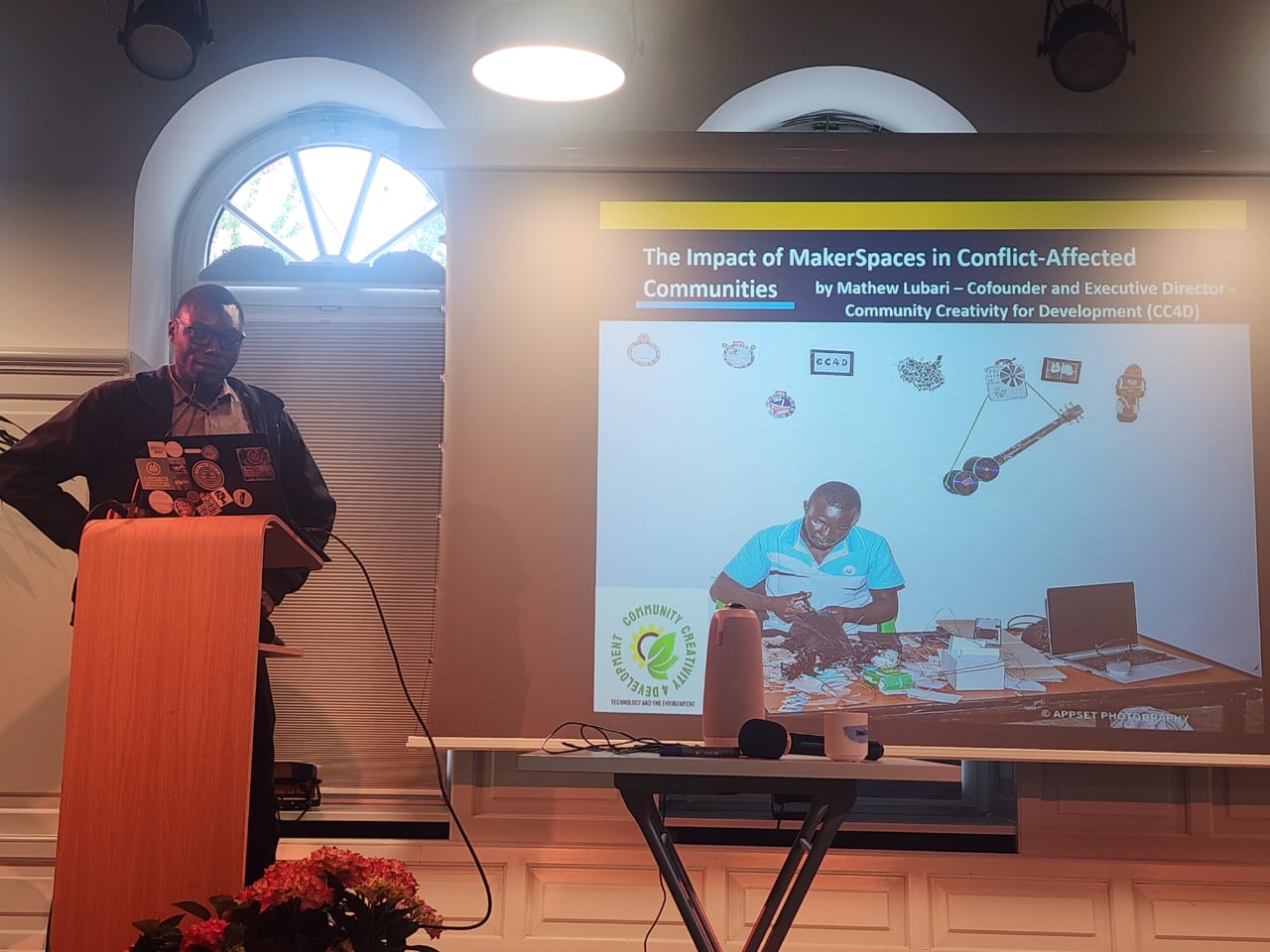
The session that stayed with us longest was Mathew Lubari’s. Mathew fled South Sudan in 2016 and arrived at Rhino Camp refugee settlement in Uganda with almost nothing but a ziplock bag containing a screwdriver and a toothbrush. After losing his job and spending a week processing what came next, he made a decision: do something for your community. With an initial $10k budget, the CC4D Makerspace he set up at Rhino Camp became a platform for exactly that.
When Mathew visited South Sudan in 2023, he saw clearly what unemployment and conflict leave in their wake: deep scars, limited economic opportunities, young people divided along the lines of a war they grew up inside, and a generation unable to find footing in rebuilding. It sharpened his sense of what a space where people make things together can begin to restore. CC4D has since reached 2,500 people and trained 350 in everything from electronics repair and digital skills to textile upcycling and making functional objects from e-waste. He shared a modest and specific vision: reliable electricity, documentation support, 3D printing skills, and reciprocal maker exchange. But the questions he left the room with were bigger. How do you diffuse not just a model but an attitude toward change? How do you build opportunity literacy in communities where the very concept of what’s possible has been narrowed by conflict? The room was quiet for a moment after he finished.
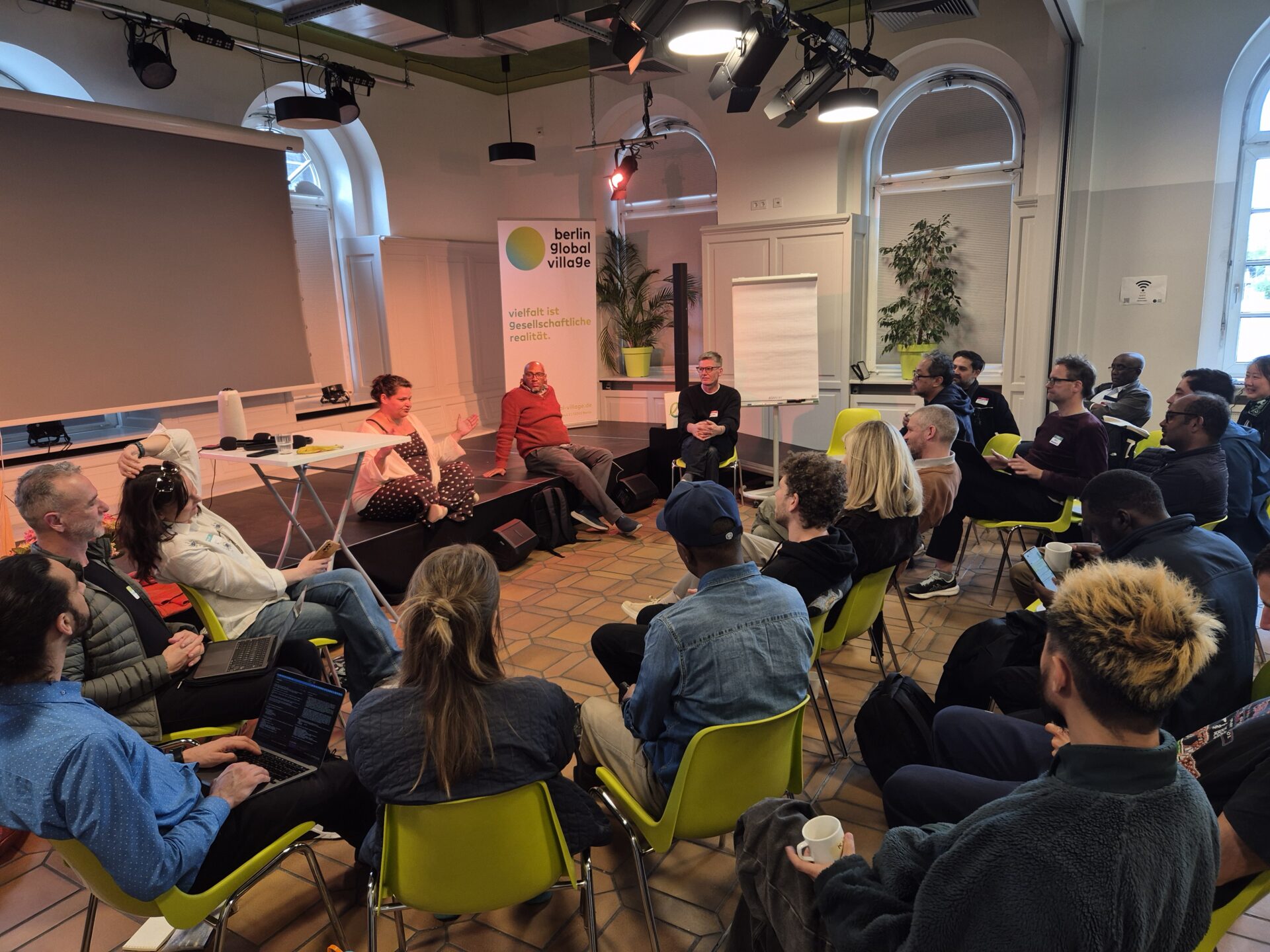
The GIG Community Weekend closed with everyone gathered in a circle, sharing what they were taking home. For many, the honest answer is the same every year: they come to GIG Week to recharge — not because the work gets easier, but because being around other pissed-off optimists leading remarkable initiatives makes it feel possible again. Crisis resilience, it turns out, isn’t a framework. For the GIG community, it’s already a practice. What an amazing weekend, see you next year!