
 Written by
 Reflections from the make-a-thek Central Eastern European Study Tour
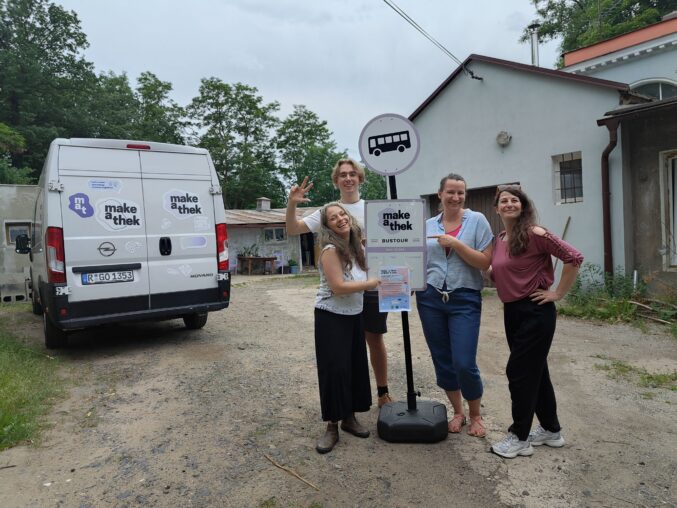
The EU-funded make-a-thek project integrates modular makerspaces into public libraries to promote circular approaches to fashion and craft. In June 2026, we conducted our first make-a-thek study tour through Germany, Czechia, and Poland to explore regional circularity practices and build long-term collaborations.
During this tour, we encountered some recurring themes and subjects. Three interconnected themes emerged throughout the journey. The first concerns the legacy of the textile industry in Central and Eastern Europe and the challenge of transforming infrastructures built for mass production into systems that support local, distributed, and demand-driven manufacturing. The second explores the growing importance of “third spaces”—libraries, open workshops, and other shared community environments—as places that strengthen social cohesion, cultural participation, and democratic resilience. The third examines the tensions between sustainability, craftsmanship, and affordability, and asks how circular products and practices can become both economically viable and widely accessible.
The transition to a circular fashion economy is not simply a technological or business challenge. It is equally a cultural one, requiring new ways of connecting heritage, production, community, and everyday participation.
From Industrial Heritage to Distributed Manufacturing
The legacy of textile production in Central and Eastern Europe raises a fundamental question for the circular economy: what becomes of places built for industrial-scale manufacturing when the future increasingly depends on local, distributed, and demand-driven production?
One of the first places that we visited was a village called Ebersbach-Neugersdorf. A small village in Saxony near the Czech border with the largest still standing textile factory, today empty and a ruin—a lost place. The derelict factory in Ebersbach-Neugersdorf highlights a mismatch between industrial-era scale and modern needs, leaving behind a legacy of economic trauma. When this factory closed down after the collapse of the USSR, all of a sudden 30,000 people, which was not just that village but the entire region, lost their jobs.
What can be done with this inheritance? What could possibly move into a factory that size that would be beneficial to the village and their surrounding today? The challenge is not simply how to preserve these industrial sites, but how to imagine new futures for them. During our visit, the mayor suggested that a data centre might be one of the few uses capable of occupying a building of such scale. The proposal highlighted a broader dilemma: infrastructures designed for mass production often exceed the needs of contemporary local economies. Their sheer size makes adaptive reuse difficult, while raising new questions about environmental impact, energy consumption, and the kinds of industries communities wish to attract.
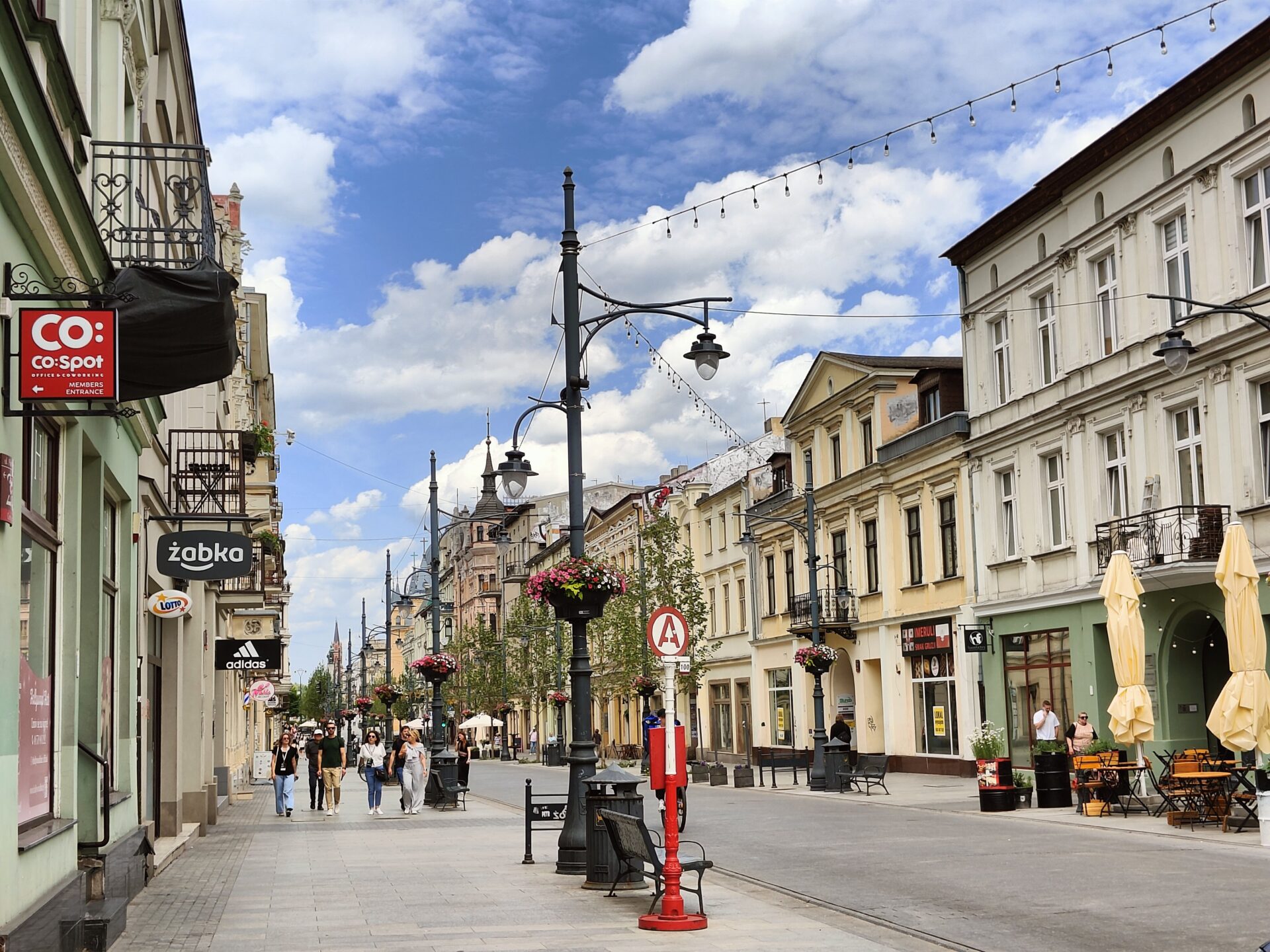
In contrast, the city of Łódź demonstrates a path forward by repurposing empty factories into cultural and innovation hubs. This transition supports a shift toward distributed manufacturing, where goods are produced locally on demand rather than shipped globally. Łódź was developed as a planned city around industrial textile production with one large factory set up after the next in the late 1800s when it became Europe’s largest textile production hub. This collapsed with the Second World War and now the whole city is basically an array of empty factories being reinvented. Former factories have been transformed into cultural institutions, innovation hubs, commercial spaces, and housing, demonstrating how industrial heritage can become an asset rather than a burden. While many buildings remain vacant, the city’s ongoing transformation illustrates how industrial infrastructure can support new forms of economic and cultural activity instead of being erased. Łódź, however, is a city, not a small village like Ebersgbach-Neugersdorf.
The transition to circular production requires rethinking the relationship between manufacturing, place, and scale. The question is no longer how to replace one large industry with another, but how existing industrial landscapes can support more diverse, resilient, and locally embedded forms of production. In contrast to former large scale industrial production, the circular society calls for new forms of production like production on demand, localised production, small-scale production with local materials – moving forward toward a world of distributed manufacturing where things are produced that are needed, where they are needed instead of being mass produced in big factories and shipped across the world to be stored in warehouses.
Third Spaces as Infrastructure for Community and Democracy
Throughout our journey, one theme emerged repeatedly: the importance of “third spaces”—places that exist beyond home and work where people gather, create, learn, and participate in community life. In the context of circular fashion and craft, these spaces are more than venues for repair or making. They provide the social infrastructure through which knowledge is shared, relationships are formed, and cultural practices remain alive.
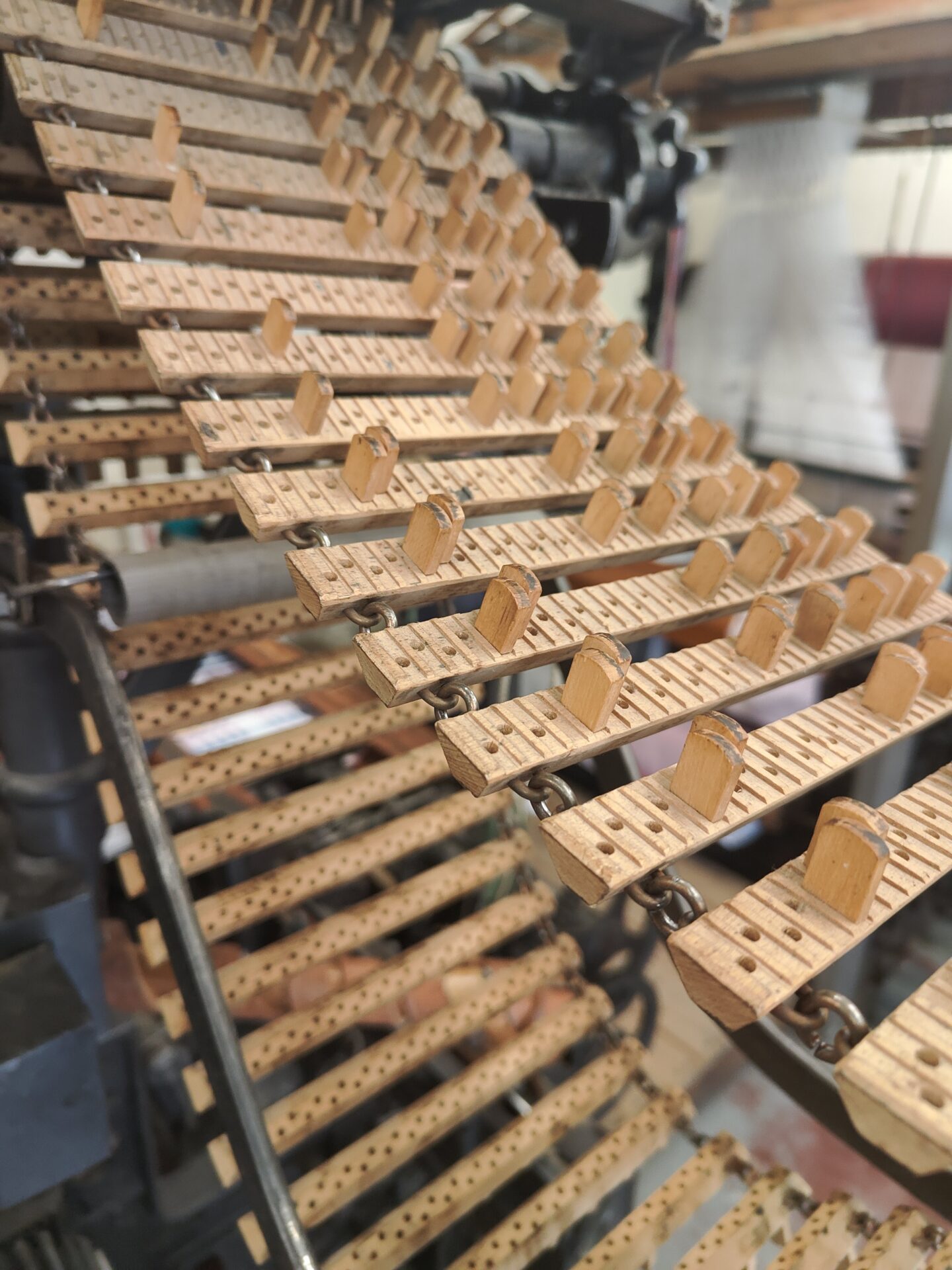
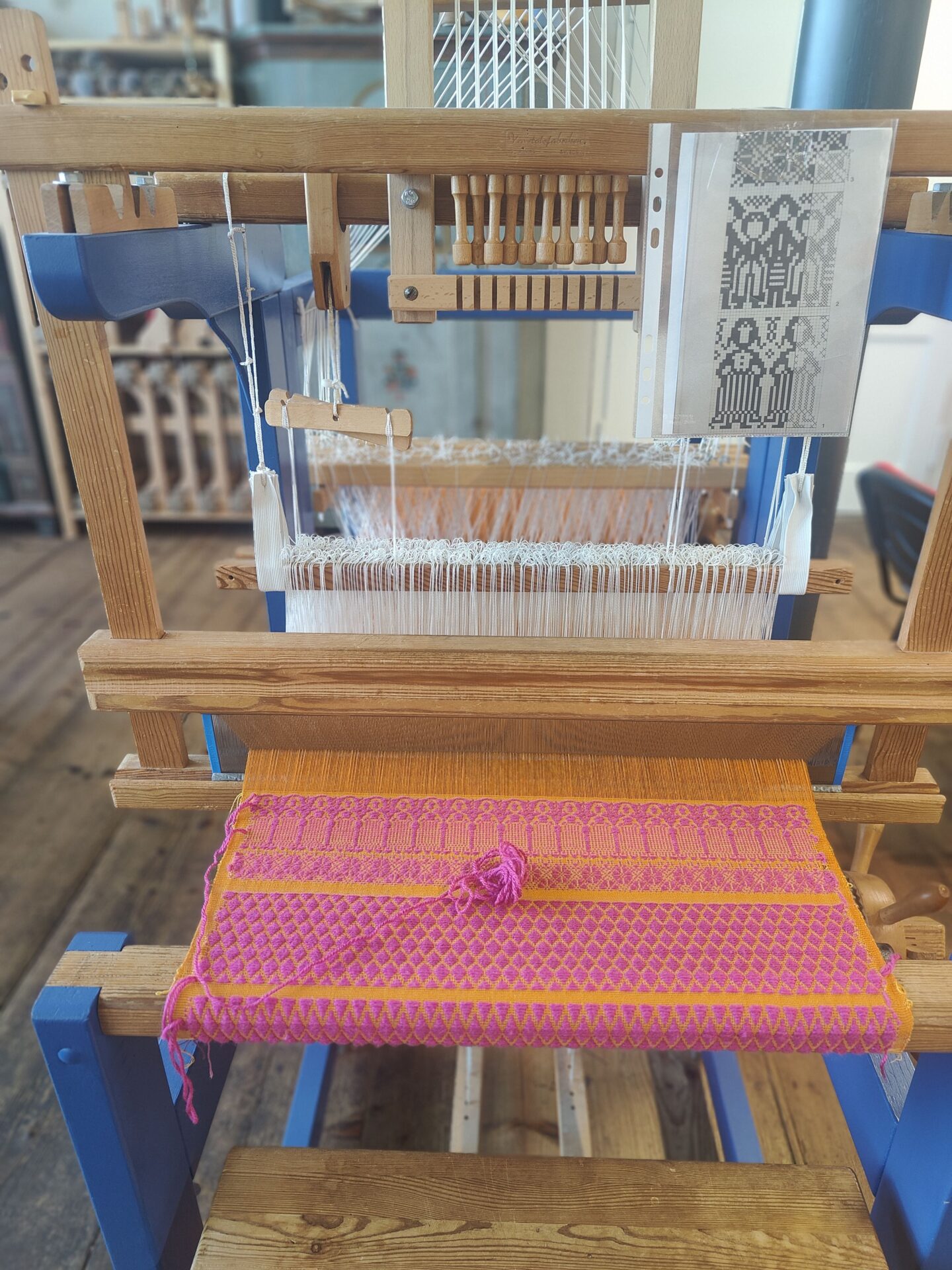
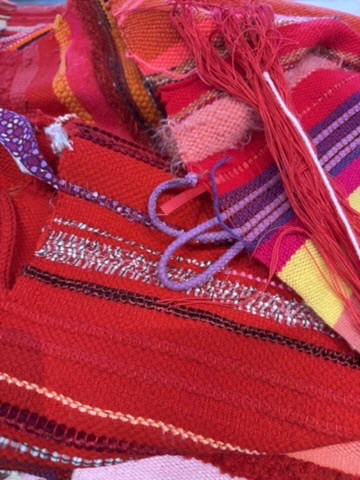
In the small village of Großschönau, the inheritance of textile production and the creative past is preserved in the Damast Museum and “Textile Path” that tourists and scholars can explore. Whilst the history has been kept alive, the social infrastructure of the village is underdeveloped. There is only one place for adults in the town to meet—the open weaving workshop. The managers of the space explained that in the absence of any other gastronomic or cultural spaces for grown up people to meet, their weaving workshop serves as a space that brings together people who would otherwise be isolated or lonely and creates new connections amongst people who would otherwise not socially engage. In particular elderly people or people without families benefit from this form of creative and social interaction. In a region where currently people are flocking towards neo-fascist parties, the effect of such third spaces in terms of fostering social cohesion and thereby strengthening the base of democracy is not to be underestimated. In this context, third spaces are becoming ever more important in Europe.
A different but equally compelling example emerged in Poznań, where we visited a public library that challenged conventional ideas about what a library can be. Far more than a repository of books, it had evolved into a vibrant cultural institution, operating its own publishing house, supporting local writers, hosting community groups, and maintaining a remarkable living archive of traditional folk costumes. Unlike a museum collection preserved behind glass, these garments remained in active use by dance groups and cultural organisations, demonstrating that heritage is often best preserved through continued participation rather than passive conservation.
This encounter highlighted an important insight: cultural heritage becomes more resilient when it remains embedded in everyday life. The strongest examples we encountered did not separate preservation from participation but treated them as mutually reinforcing, such as the Central Textile Museum in Lodz and the Damast Museum in Großschönau. Heritage was not presented as something to observe, but as something to practise, reinterpret, and share.
For the make-a-thek project, this observation carries particular significance. While the library had developed an impressive model of community engagement and cultural participation, it did not include a makerspace. Yet the combination seemed almost self-evident. Bringing together living heritage, repair, digital fabrication, and textile making within public libraries could create powerful new spaces where circular practices become part of everyday community life. Rather than simply preserving knowledge, libraries have the potential to become places where cultural heritage is continuously recreated through making, learning, and participation.
Balancing sustainability, craftsmanship, and affordability
One of the most persistent questions throughout our journey concerned the relationship between sustainability and value. While circular fashion is often presented as an environmental challenge, our conversations repeatedly revealed that its success depends just as much on economics, culture, and communication. Creating more sustainable products is only one part of the equation; ensuring that people understand, value, and choose them is another.
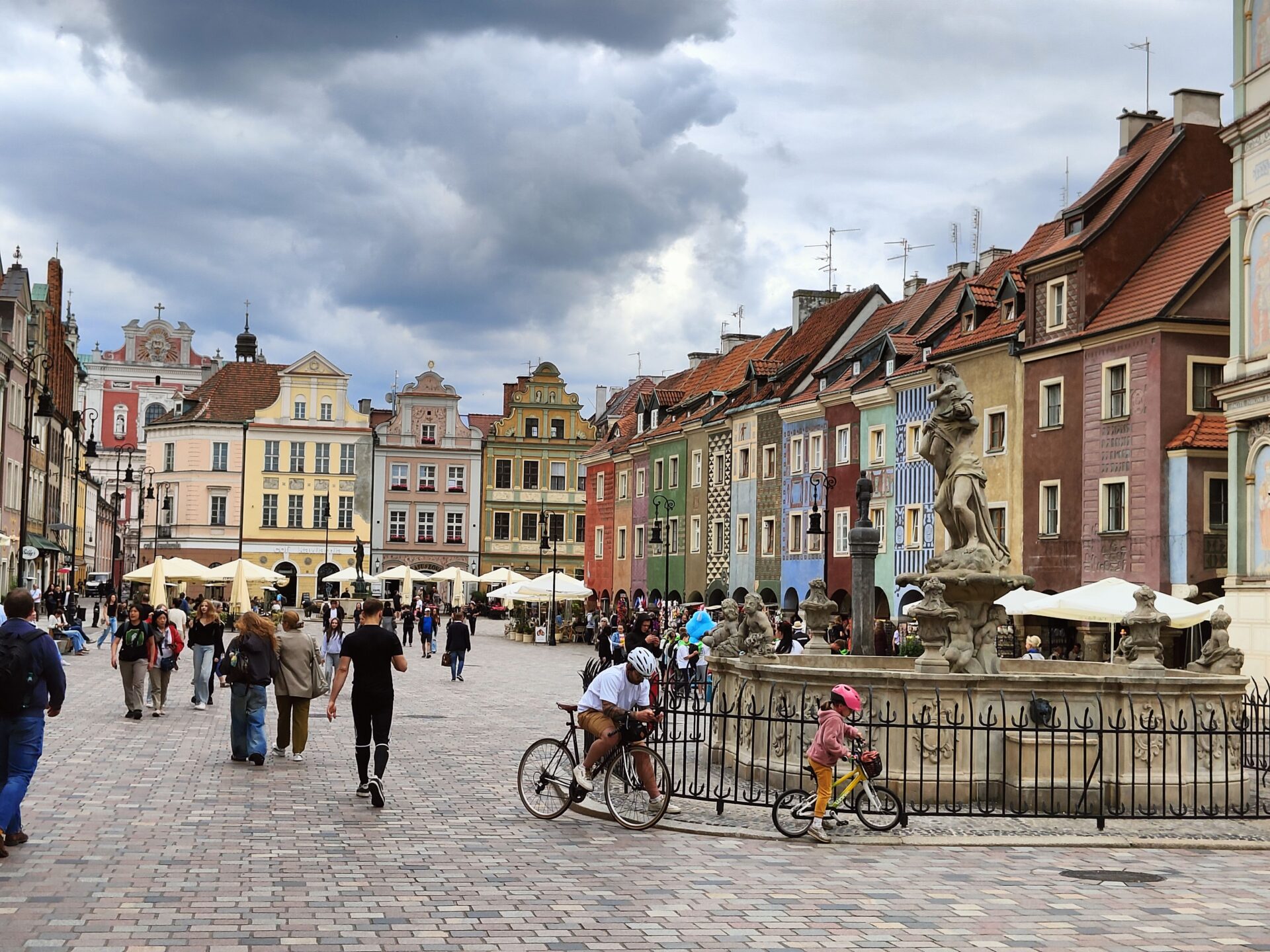
In Poznań, we encountered a second-hand fashion boutique integrated into a tourist souvenir shop. At first, the pairing seemed unexpected. Yet it reflected a broader cultural shift in which second-hand clothing is increasingly presented as desirable rather than merely economical. Circular consumption is gradually becoming part of mainstream retail, although its success still depends on visibility and storytelling. Innovative concepts can easily go unnoticed if customers do not immediately understand what is being offered. Circular products therefore require not only thoughtful design but also compelling narratives that communicate their value.
This challenge became even more apparent in conversations with designers and entrepreneurs in Łódź. Producing garments locally, using ethical labour practices and high-quality materials, inevitably results in higher prices than mass-produced fast fashion. For emerging designers, competing on price alone is virtually impossible. The more important question, however, is not why sustainable products cost more, but how value is defined. A well-made garment that can be repaired, worn for many years, and eventually passed on offers a very different form of value from a cheaply produced item designed for short-term use. Supporting circular fashion therefore requires a shift in perspective—from prioritising purchase price to recognising long-term quality, durability, and care.
The tour highlighted the importance of creating local markets and ecosystems that support designers, makers and craftspeople as well as CCI in general. We visited concept stores featuring products designed and manufactured in Poland, demonstrating how retail spaces can help strengthen regional production networks. Yet, it also illustrated how difficult it remains for small-scale producers to achieve visibility and economic viability in markets dominated by global supply chains based on low-cost production.
Questions of locality and authenticity surfaced repeatedly. In souvenir shops, craft markets, and cultural stores, we often found ourselves asking where products were actually made. Some items clearly originated from local workshops, while others may have been produced elsewhere. This led to valuable conversations about what constitutes a “local product” and how consumers can make informed choices. Transparency, we realized, is becoming an increasingly important component of sustainable consumption. While some items were easily tracked to local producers, others had opaque origins. This ambiguity rose as an important observation: consumers increasingly value authenticity and locality, but often lack transparent information about production processes.
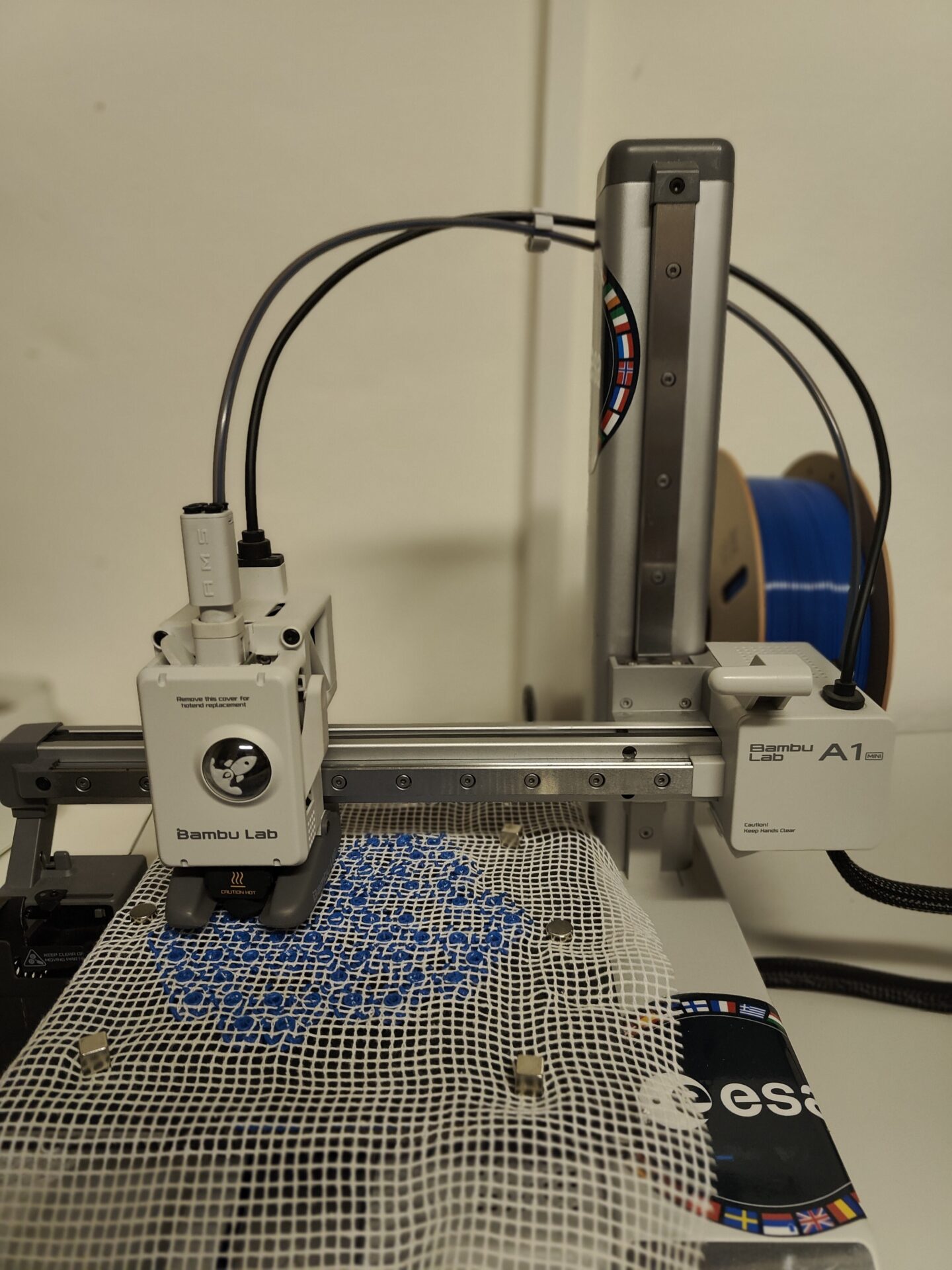
Another particularly interesting discussion emerged around small decorative souvenirs, ceramics, and locally themed design objects. Many of these products could, in principle, be mass-produced in distant factories and shipped internationally at low cost. Yet for niche cultural products sold only in a specific city or region, large-scale industrial production may not always be economically advantageous. The limited market size can create opportunities for local and regional manufacturing instead, and where maker technologies can offer significant potential. Digital fabrication tools such as laser cutters, CNC machines, embroidery machines, and 3D printers make it possible to economically produce small batches of customized products close to the point of sale. Rather than ordering thousands of identical souvenirs from overseas manufacturers, local businesses could produce items on demand or in small production runs, reducing transportation costs and carbon, minimizing excess inventory, and enabling greater flexibility in design.
More importantly, these technologies create opportunities to connect cultural heritage with contemporary forms of production. Traditional patterns, regional symbols, historical motifs, or local stories can be translated into digitally fabricated products while maintaining a strong connection to places. A laser-cut ornament inspired by local folk embroidery, a 3D-printed object based on historic architectural details, or textiles produced with digitally assisted embroidery techniques can all serve as examples of how heritage and innovation can reinforce one another.
Maker technologies offer a way to keep economic value within local communities. Cities and regions can retain both the creative and productive aspects of cultural goods rather than exporting cultural identity as a design concept while importing the finished products from elsewhere. In this sense, digital fabrication becomes a tool for cultural resilience, local entrepreneurship, and the revitalization of heritage crafts besides a production technology only.
Throughout the tour, it became increasingly clear that maker technologies, when combined with heritage knowledge and community-based institutions, may offer one promising answer. By combining maker technologies with cultural institutions, local designers, and community-based organisations, regions can retain more of the creative and economic value generated by their cultural identity. (Local) Circular economies are therefore not simply about producing differently; they are about creating systems in which sustainability, craftsmanship, cultural heritage, and economic resilience reinforce one another.
Final Reflections
Throughout the journey, one insight resurfaced in many different forms: heritage is most resilient when it remains part of everyday life. Whether expressed through a living archive of traditional clothing, a village weaving workshop, a local designer, or a repurposed industrial building, the strongest examples we encountered were those that treated culture as something to be actively practised rather than passively preserved.
This is perhaps the most important lesson for projects such as make-a-thek. Makerspaces, libraries, museums, and other community institutions have the potential to become more than places where circular skills are taught. They can become spaces where local knowledge is exchanged, cultural heritage is continuously reinterpreted, and new forms of production emerge from the needs and identities of the communities they serve and are a living part of.
If the circular economy is to move beyond a niche movement, it must be understood not only as an environmental or technological transition, but as a cultural one. Building resilient local economies requires more than new materials or new machines. It requires places where people come together to make, repair, learn, participate and co-create. In that sense, the future of circular fashion will be shaped as much by communities and culture as by innovation itself.