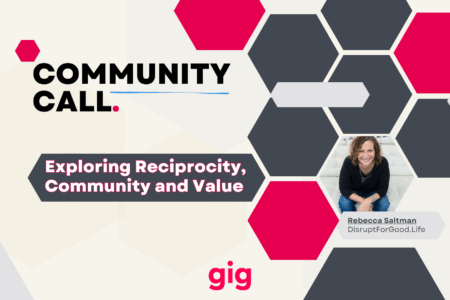
On October 1st, the Global Innovation Gathering (GIG) hosted an inspiring community call centred around the transformative concept of reciprocity as a resource beyond monetary exchange. This session built on enriching discussions from the GIG Day workshops in May, continuing our journey toward alternative systems of value and support. Our guest speaker was GIG member … Continue reading “Exploring Reciprocity as a Resource: A Recap of the Community Call”
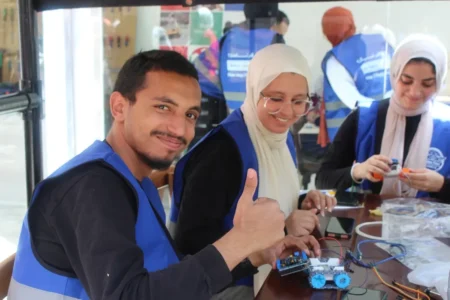
April was a special month for makers in Egypt — and for some from around the globe, especially within our GIG community. It was the month of Maker Faire Cairo 2025!
Education and Makerlabs represent a dynamic intersection of innovation, collaboration, and skill-building. Makerlabs, as spaces dedicated to hands-on learning and creativity, have become increasingly integrated into educational frameworks. They provide opportunities for learners to engage in project-based activities, fostering critical thinking and problem-solving skills. Integrating Makerlabs into education is challenging, but the potential benefits are … Continue reading “Empowering Education Through Makerlabs: Collaborative Innovation in a Connected Network”
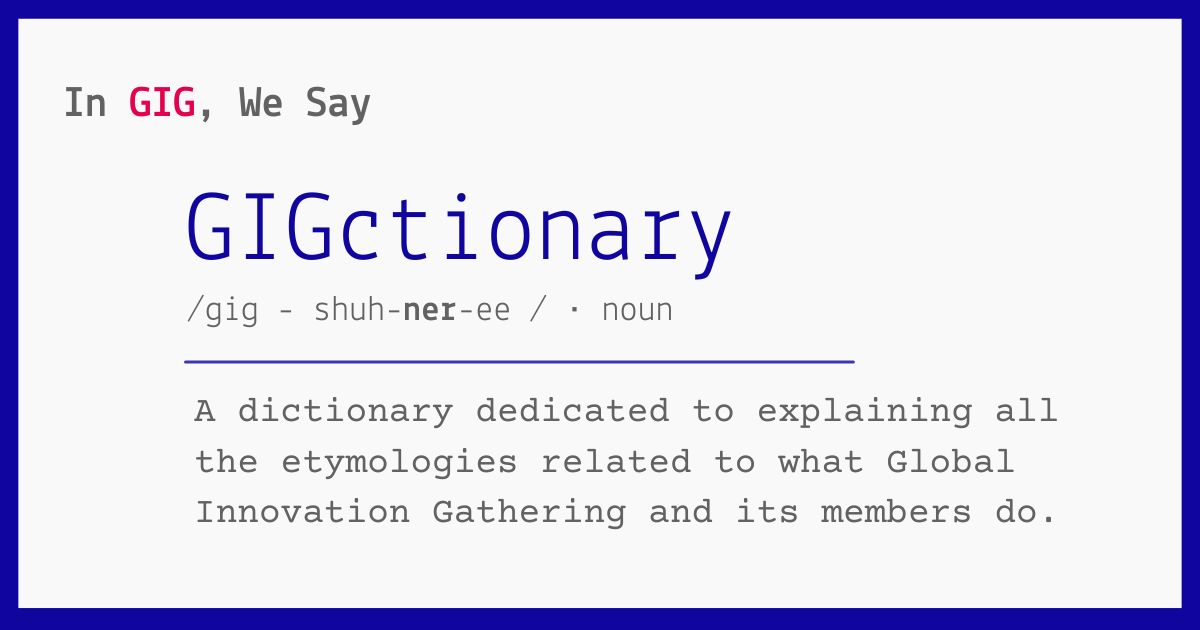
In GIG, we say many things; we talk about innovation, technology co-creation, and much more. Sometimes, we even invent our own words! As someone might say, we’re often “GIGing it,” managing to do something despite the difficulties one might face in the process (because we are a part of GIG). As we grow as a … Continue reading “Introducing the GIGctionary: Your Ultimate Guide to Navigating the World of GIG”
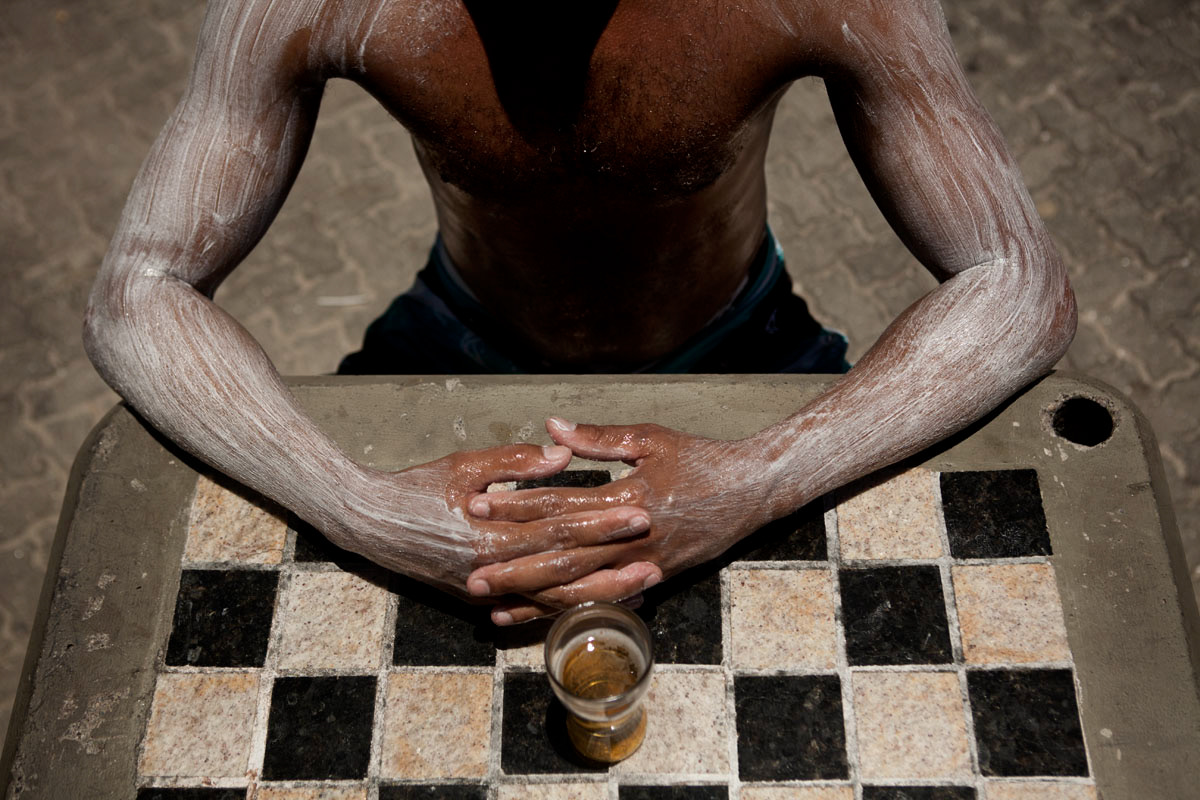
Racism is a pervasive and complex problem, affecting individuals and societies differently. How can we address this issue creatively and engagingly? How can we use games for empowerment, awareness, and education? These questions motivated a co-design lab in Brazil in a partnership between GIG and the University of Bristol and its collaborators. The co-design lab … Continue reading “Exploring identity and contesting racism through games: a co-design lab in Brazil”
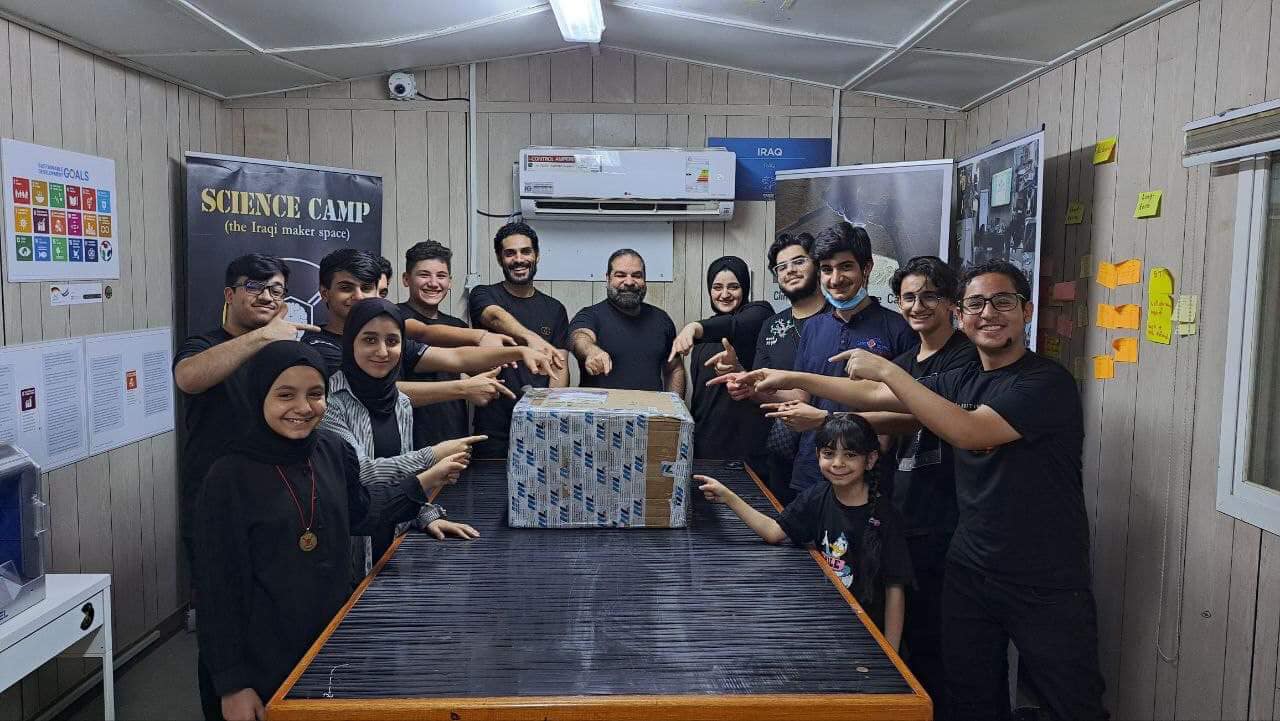
We sat down to talk with Nawres Arif this past Thursday to discuss his maker program in Iraq. Nawres is a trained pharmacist but considers himself to be more than that. He is also an artist, designer, and robot maker. In around 2003, Nawres became a part of the global maker movement. His passion for … Continue reading “Filling the gaps in Iraq”
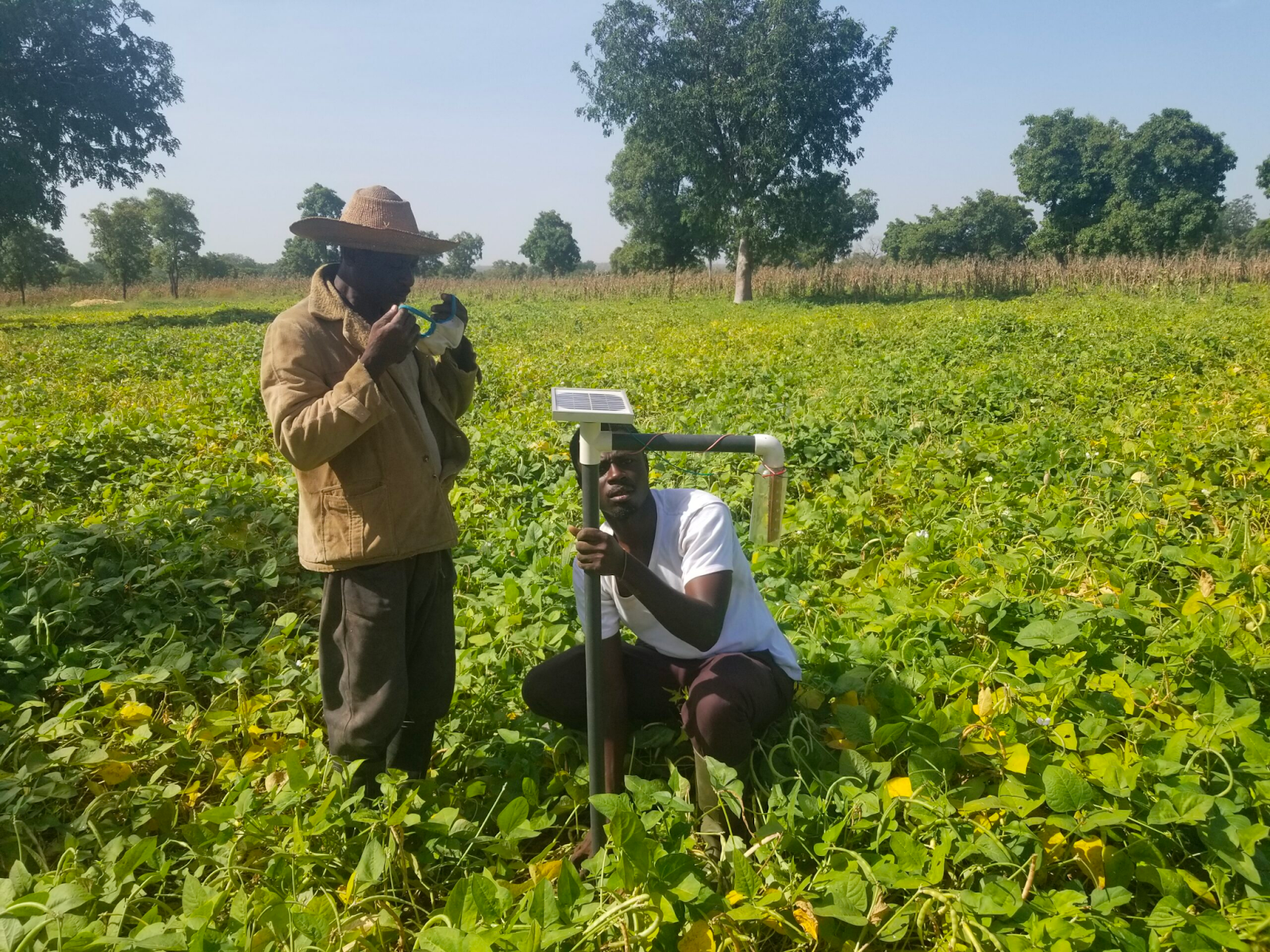
Equipping young people with technological and entrepreneurial skills to solve local community problems is the mandate of one particular makerspace in the Northern region of Ghana. Noni Hub, located in Wa, is a budding innovation that aims to foster innovation, creativity, and making scalable technological solutions. Mustapha Dauda, an African Maker and Engineer in electronics … Continue reading “Noni Hub: Equipping Youths to Prototype for Local Needs”
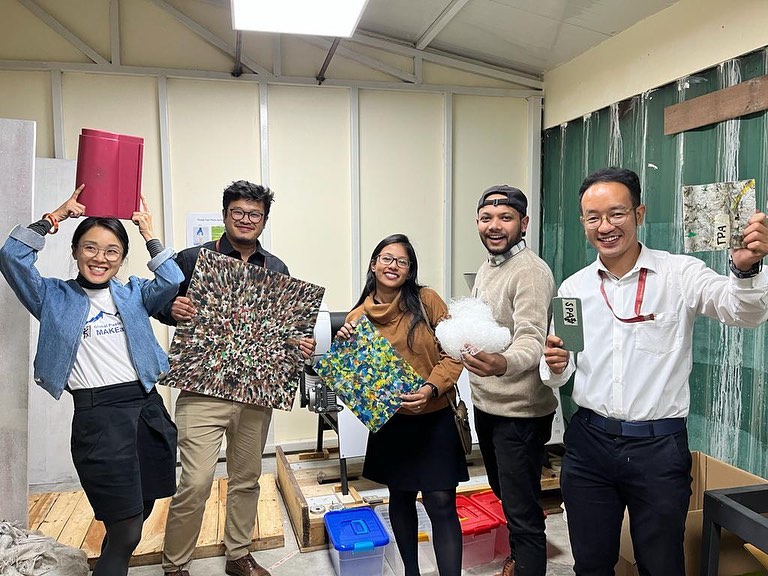
Technology has become an integral part of our lives in today’s fast-paced world. Technology has transformed how we live and work, from smartphones to smart homes. However, not everyone has access to the latest technology or the skills to use it effectively. This is where organizations like FabLab Nepal come in. FabLab Nepal is a … Continue reading “FabLab Nepal: Empowering Communities Through Technological Access”
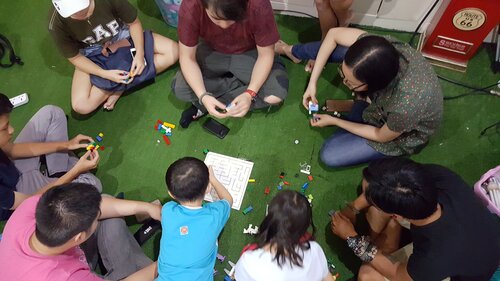
Imagine a welcoming and imaginative space, with the floor resembling grass and trees serving as tables. It’s a place where kids can collaborate to design, create and think. The students use circuits, 3-D printers, and crafts to create creative projects. Based in the Philippines, that is precisely what SparkleLab presents. Founded by Rosanna Lopez, SparkleLab … Continue reading “Revolutionizing STEM Education in the Philippines”
Data_labe is a data and narratives laboratory based in the Maré favela in Rio de Janeiro, Brazil. It is also a member of the Global Innovation Gathering (GIG), a network of innovation hubs, makerspaces, hackerspaces and other grassroots initiatives worldwide. In this blog post, we will showcase their work and connection to GIG and invite … Continue reading “Data_labe: A Hub for Data and Narratives from the Favela”